Sahara - Mauritania
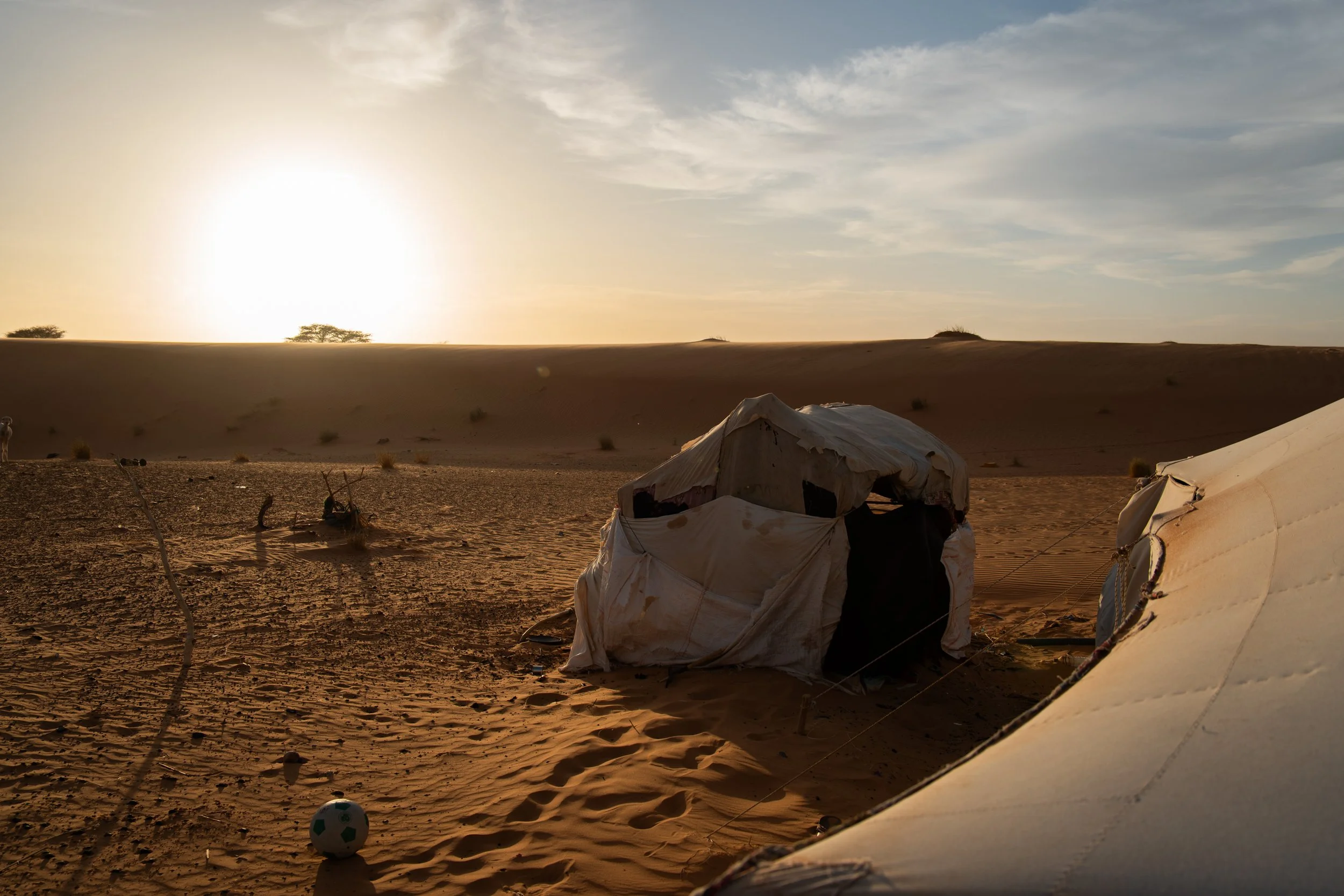
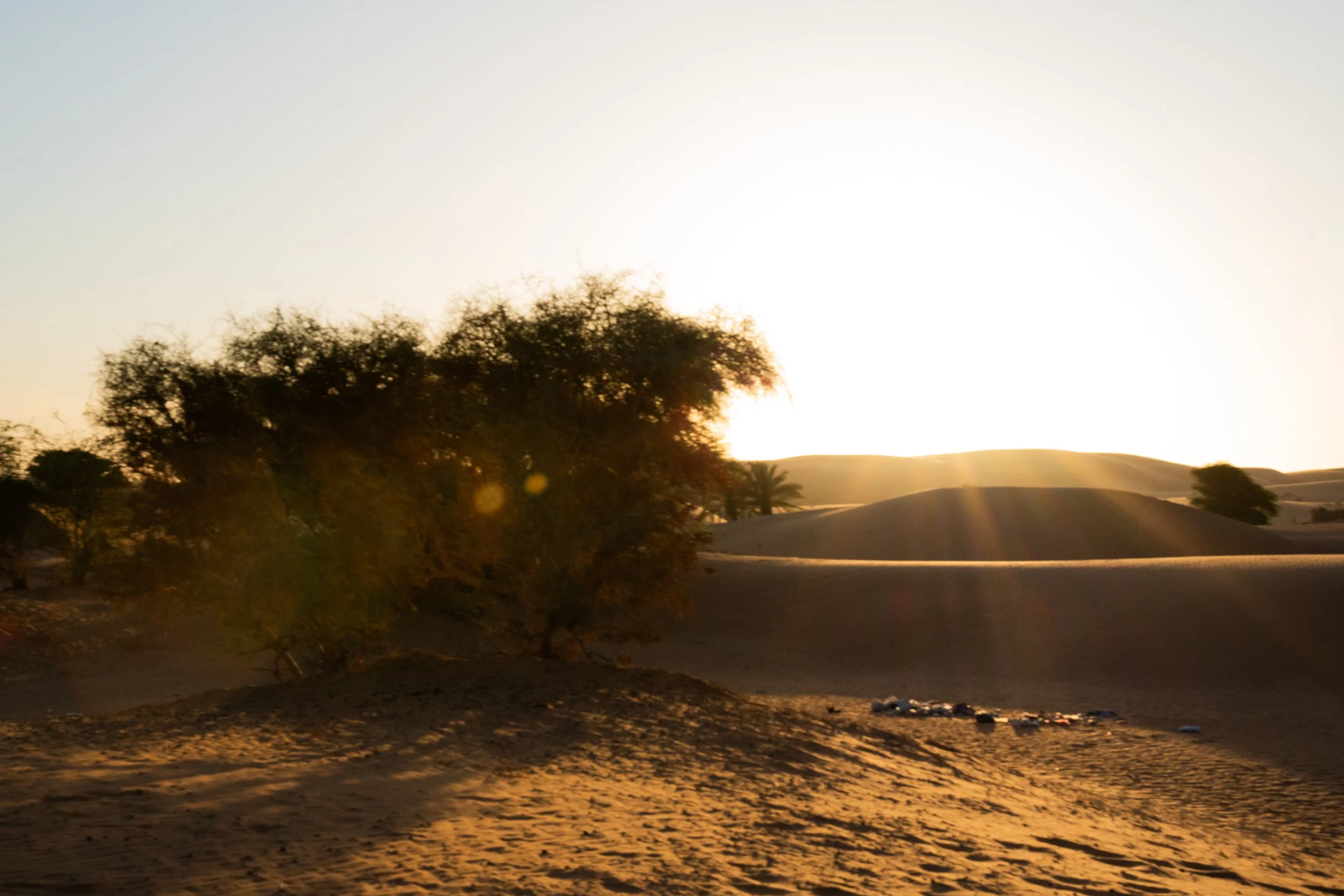
The largest hot desert and the third largest desert in the world. The Sahara is spanning North Africa, with an area of 9,200,000 square kilometers.
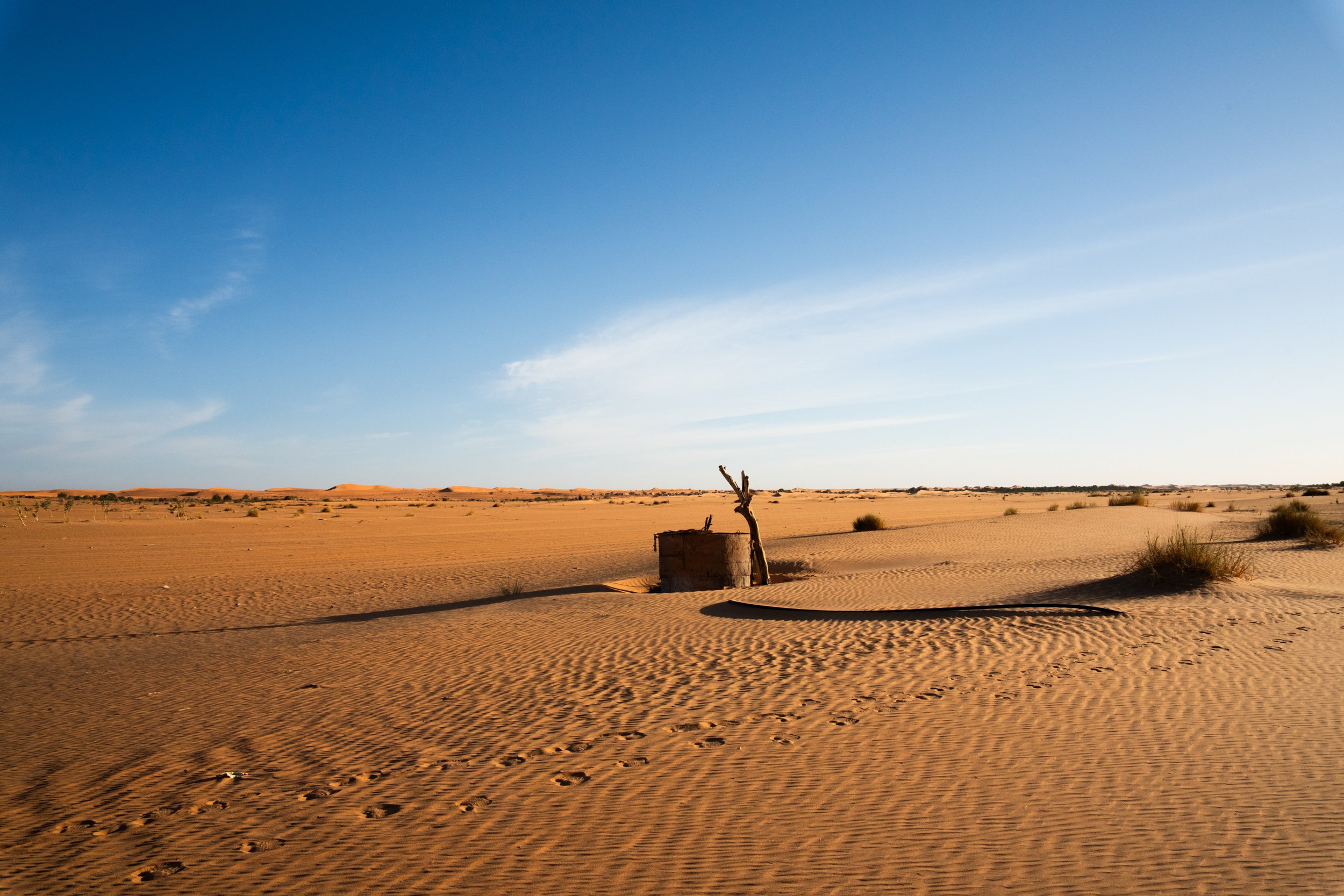
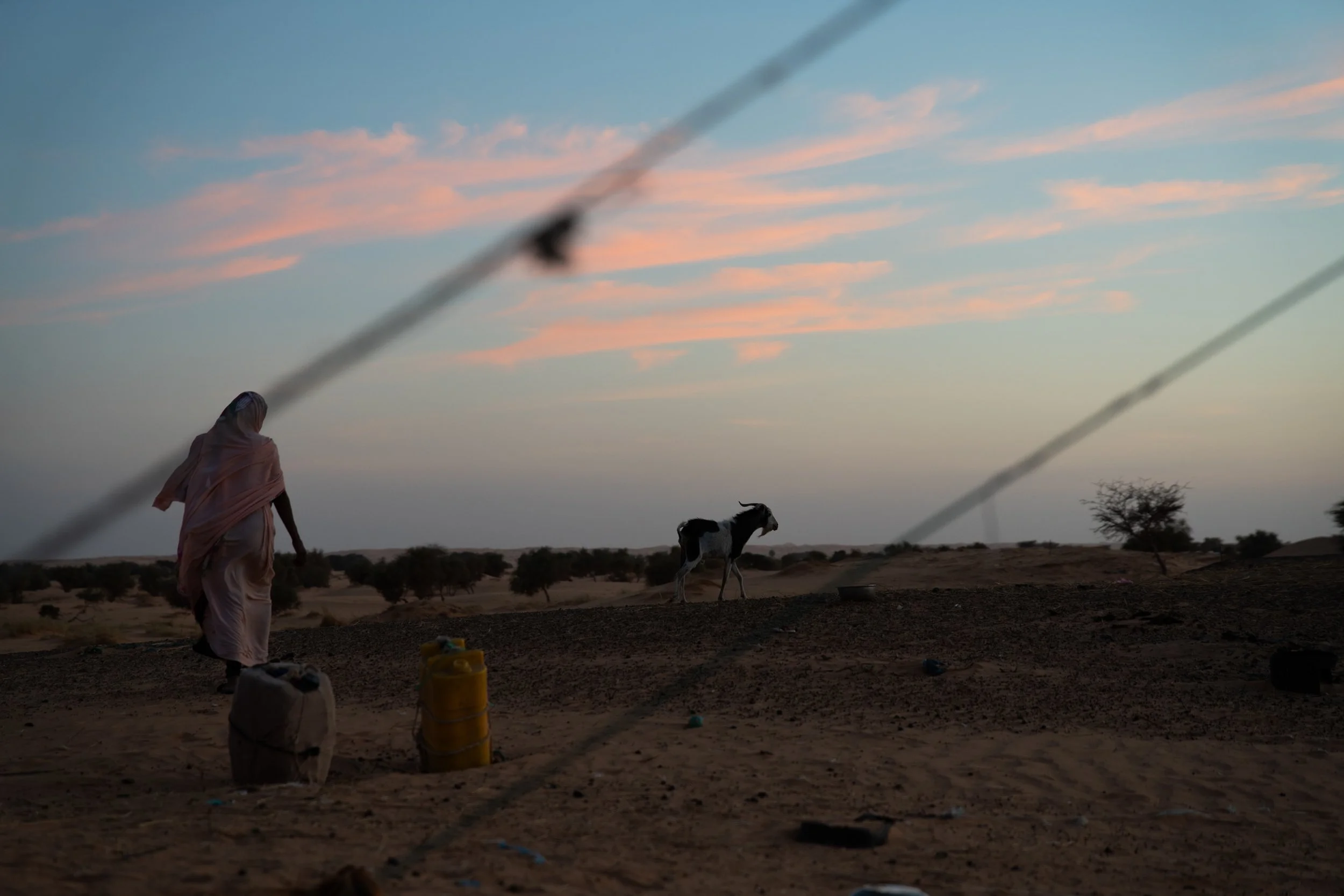
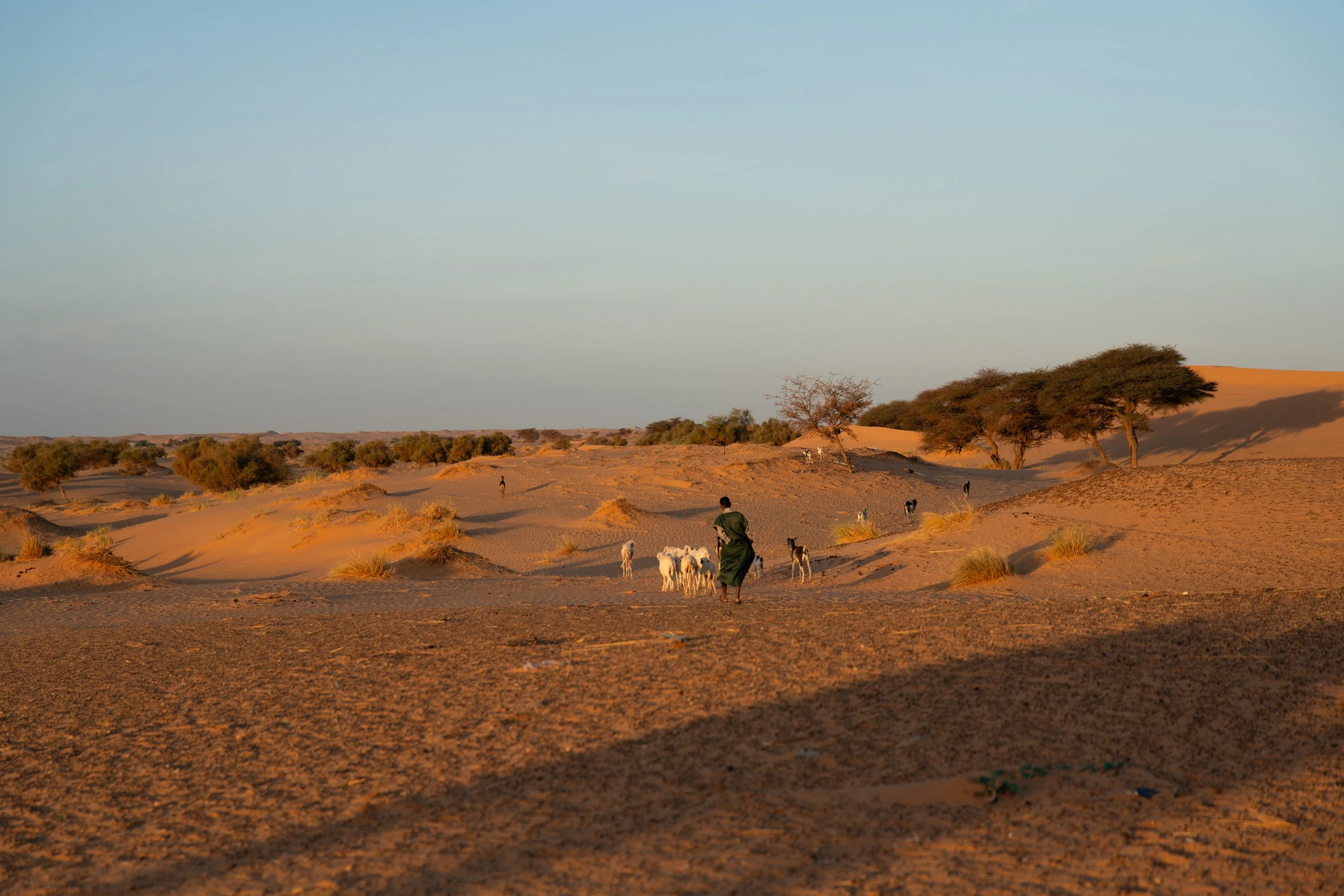
Traditional wells are essential lifelines across the Sahara Desert in Mauritania.
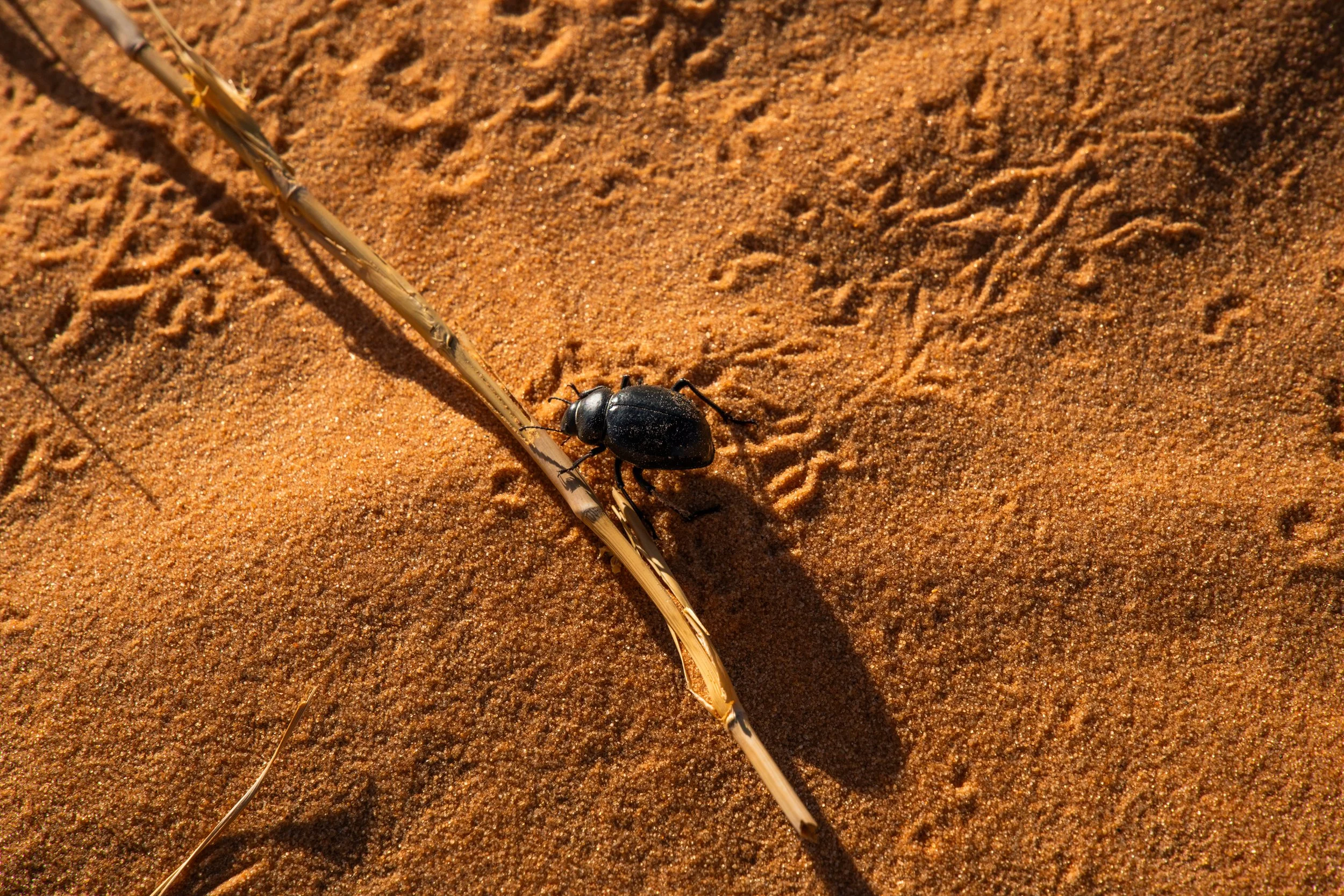
Follow the track fo the Dung beetles.
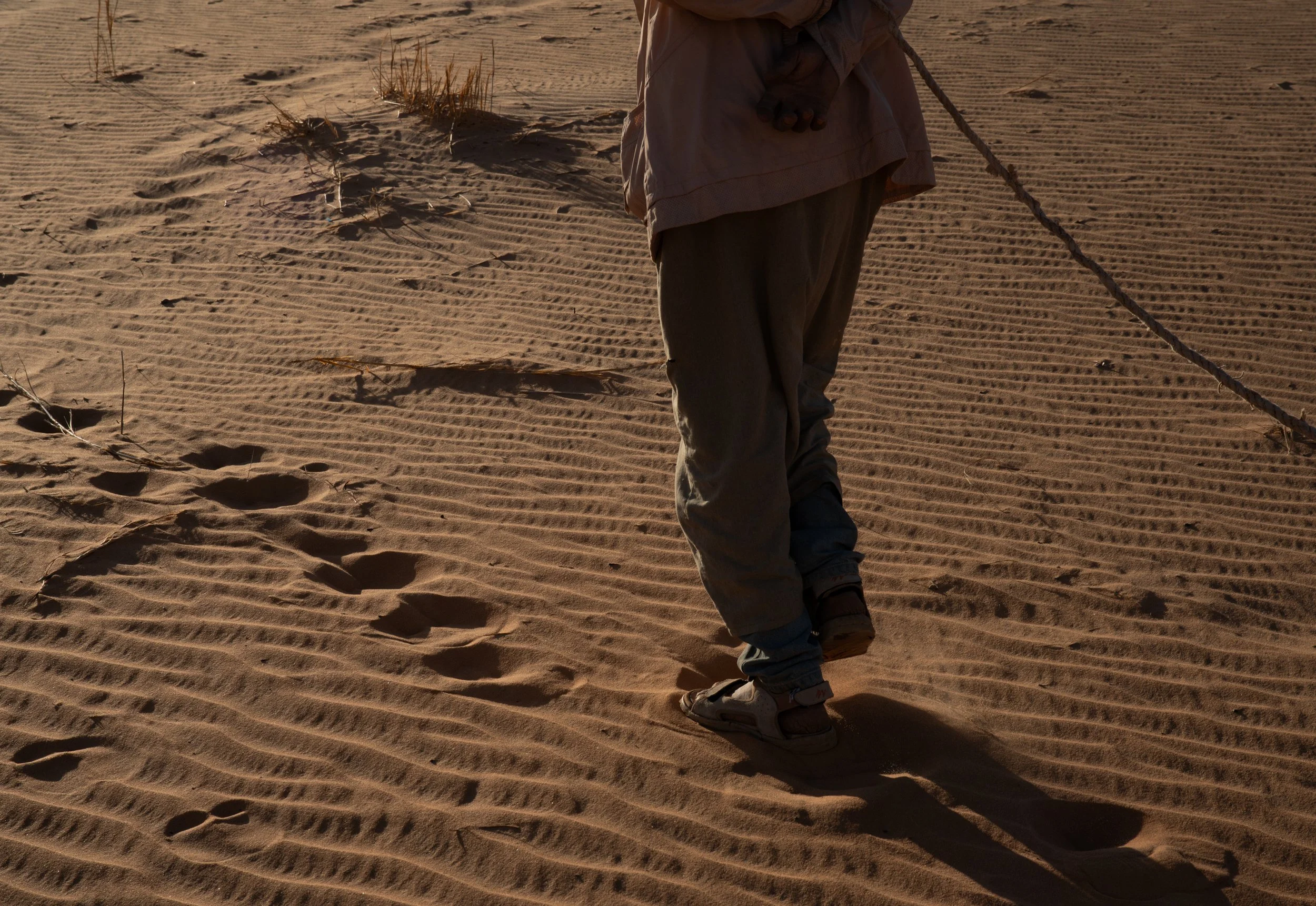
Walking across the ripples of ergs, these beetles leave behind distinct, fine parallel footprints and delicate trails that are often the primary sign of active insect life on the dunes.
Saharan and desert dung beetles are among the few insects known to navigate using the polarization pattern of moonlight and the Milky Way to travel in straight lines.
They hide beneath the sand or in burrows during the blistering midday heat and become active mostly during the cooler hours of sunrise and sunset.
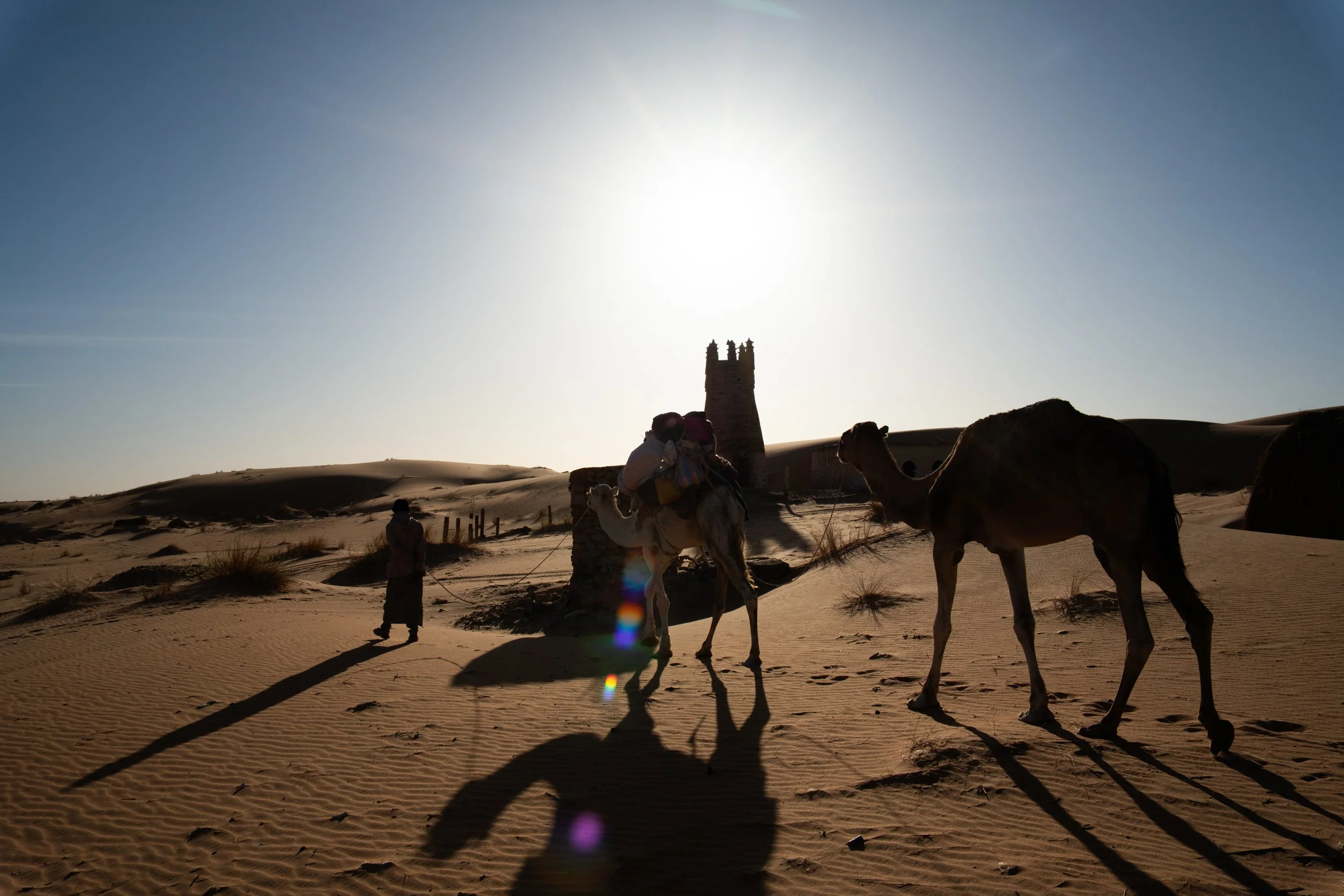
The lost mosques - either swallowed by moving sand dunes, hidden for centuries, or standing as crumbling outposts in abandoned medieval trading towns
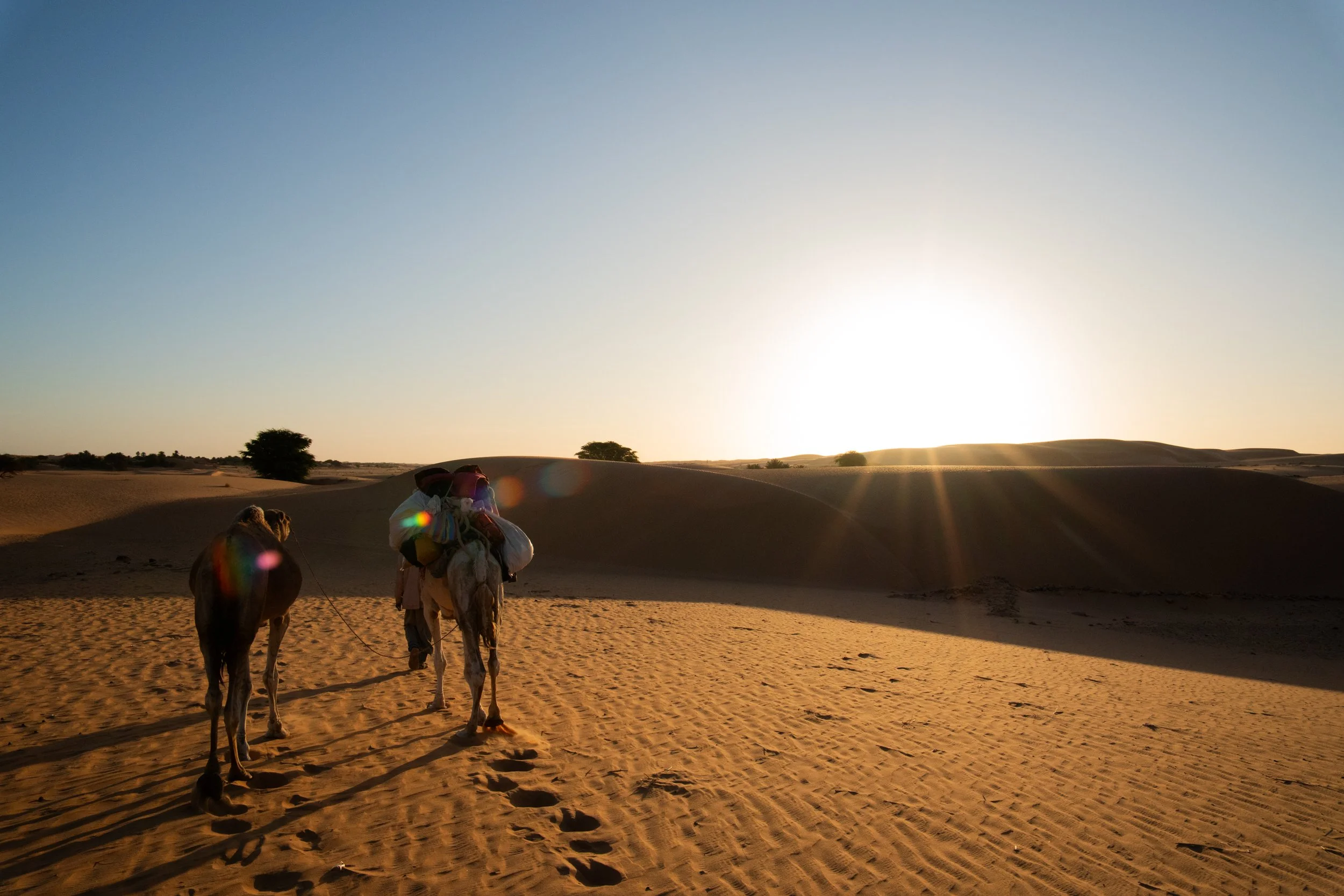
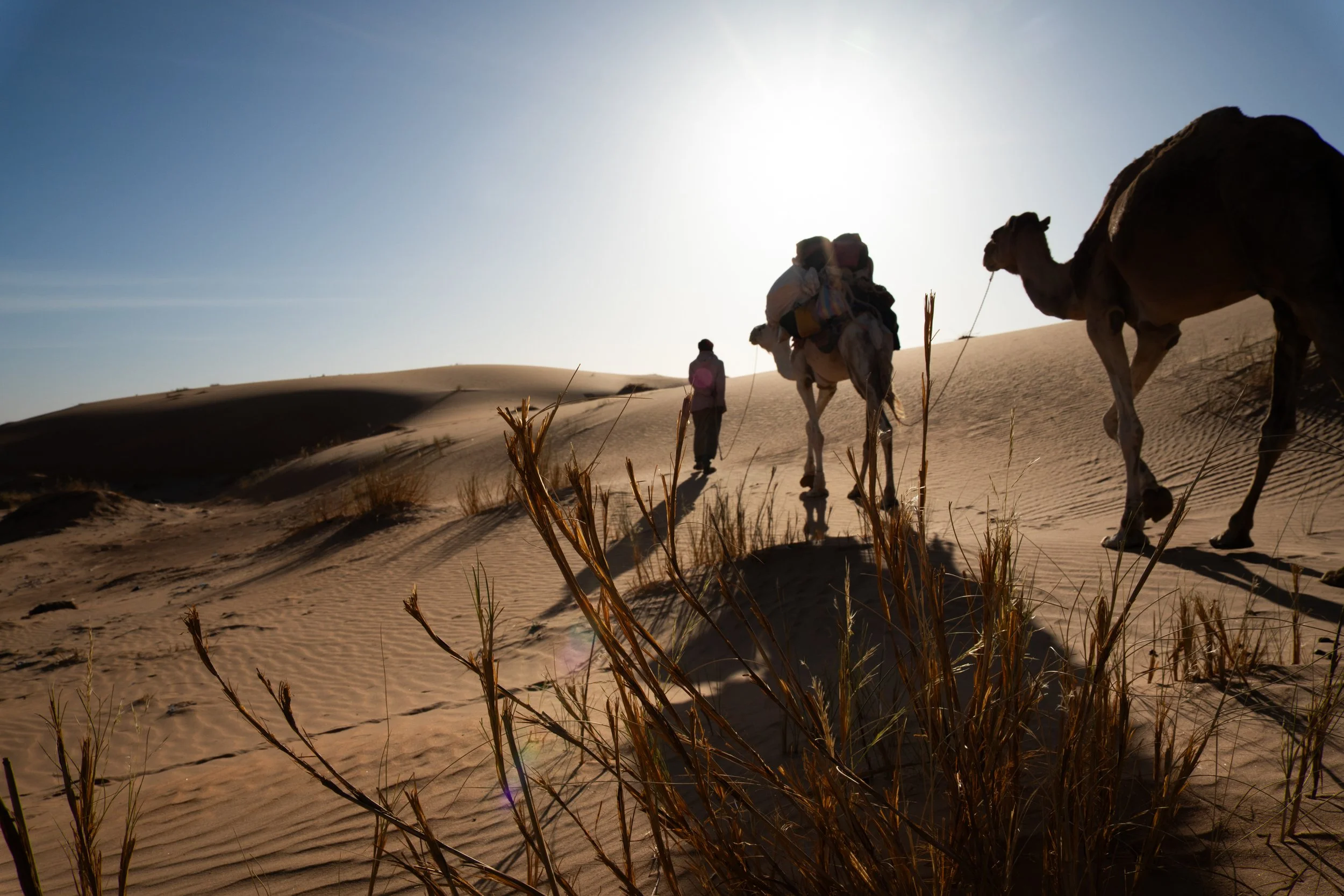
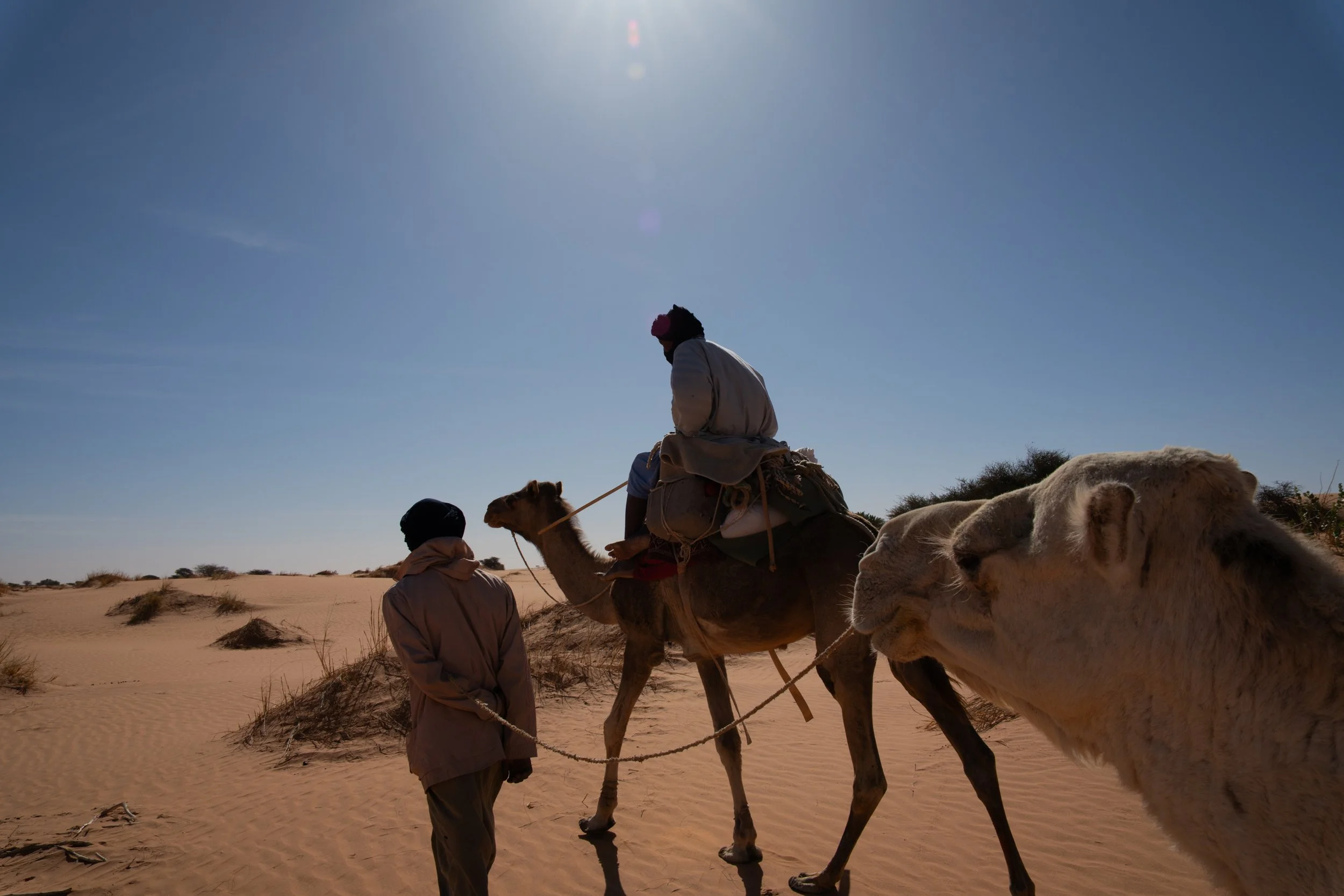
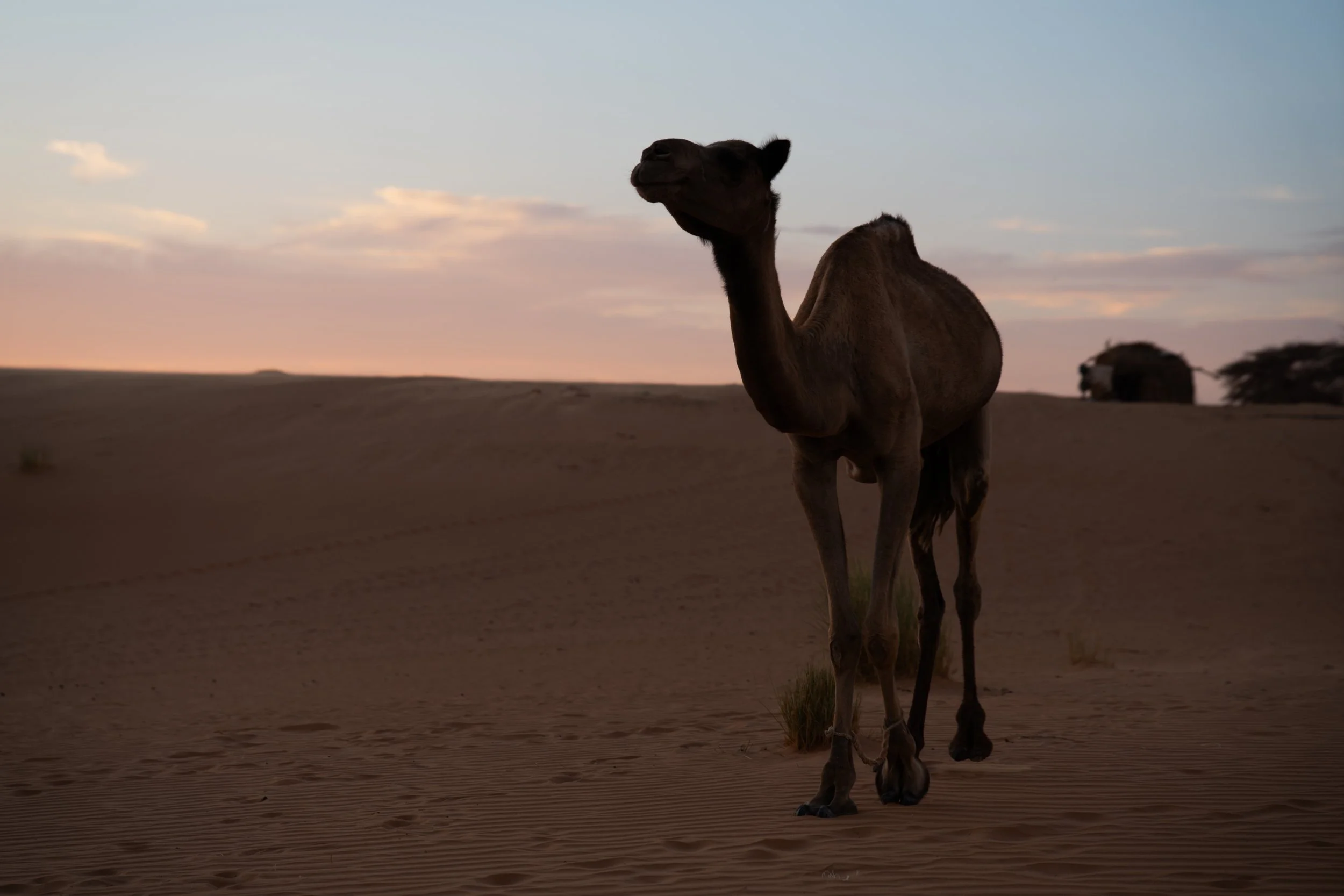
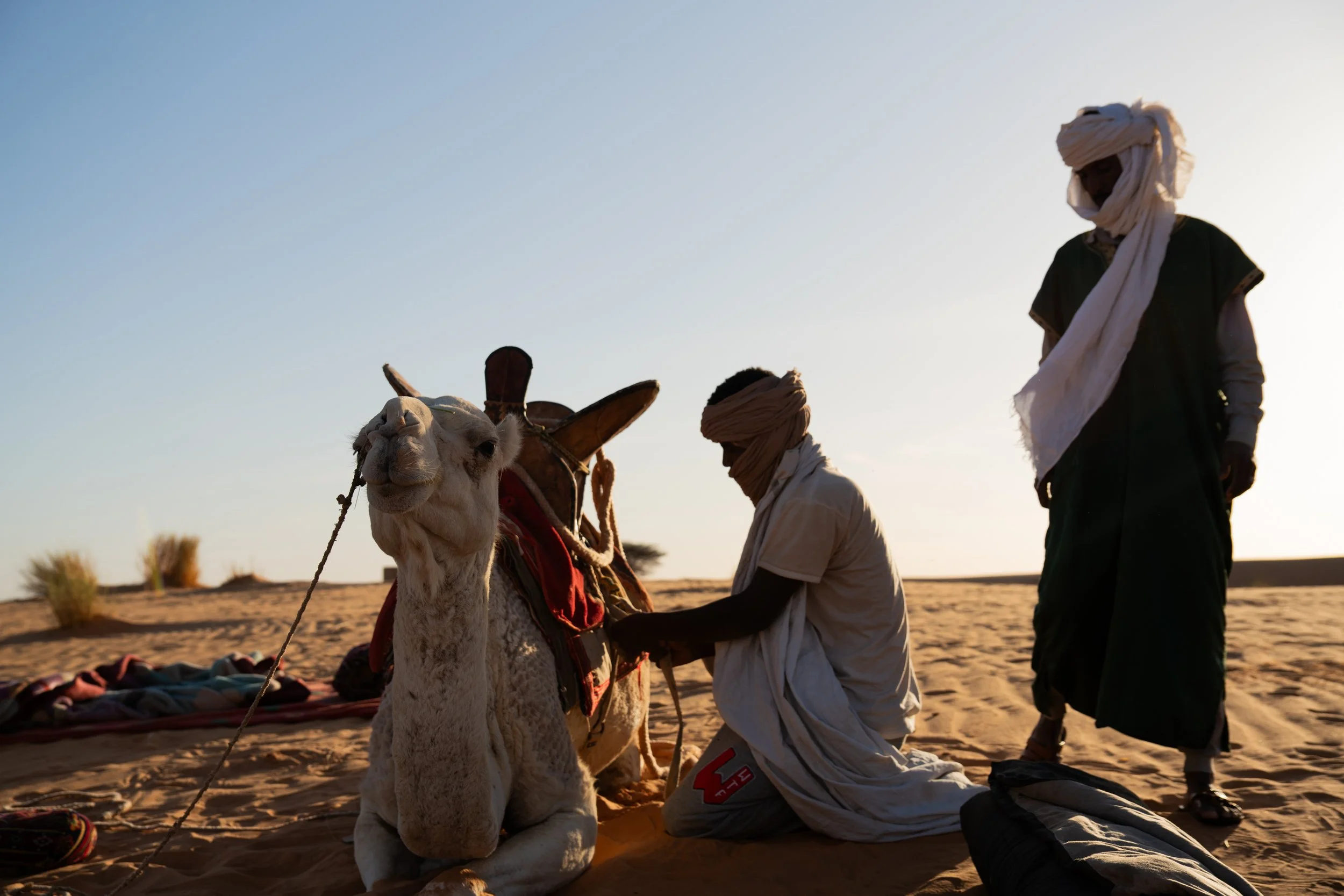
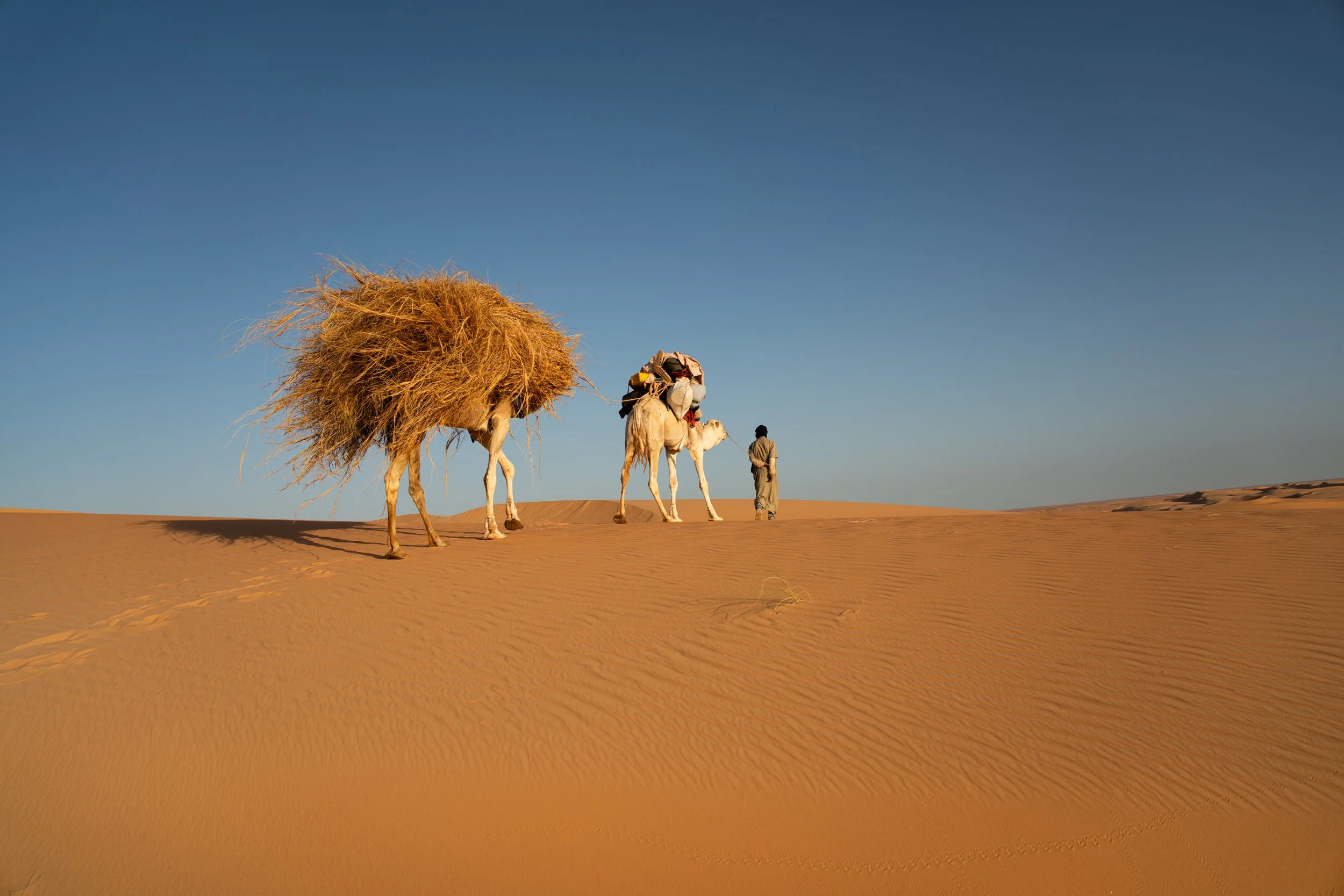
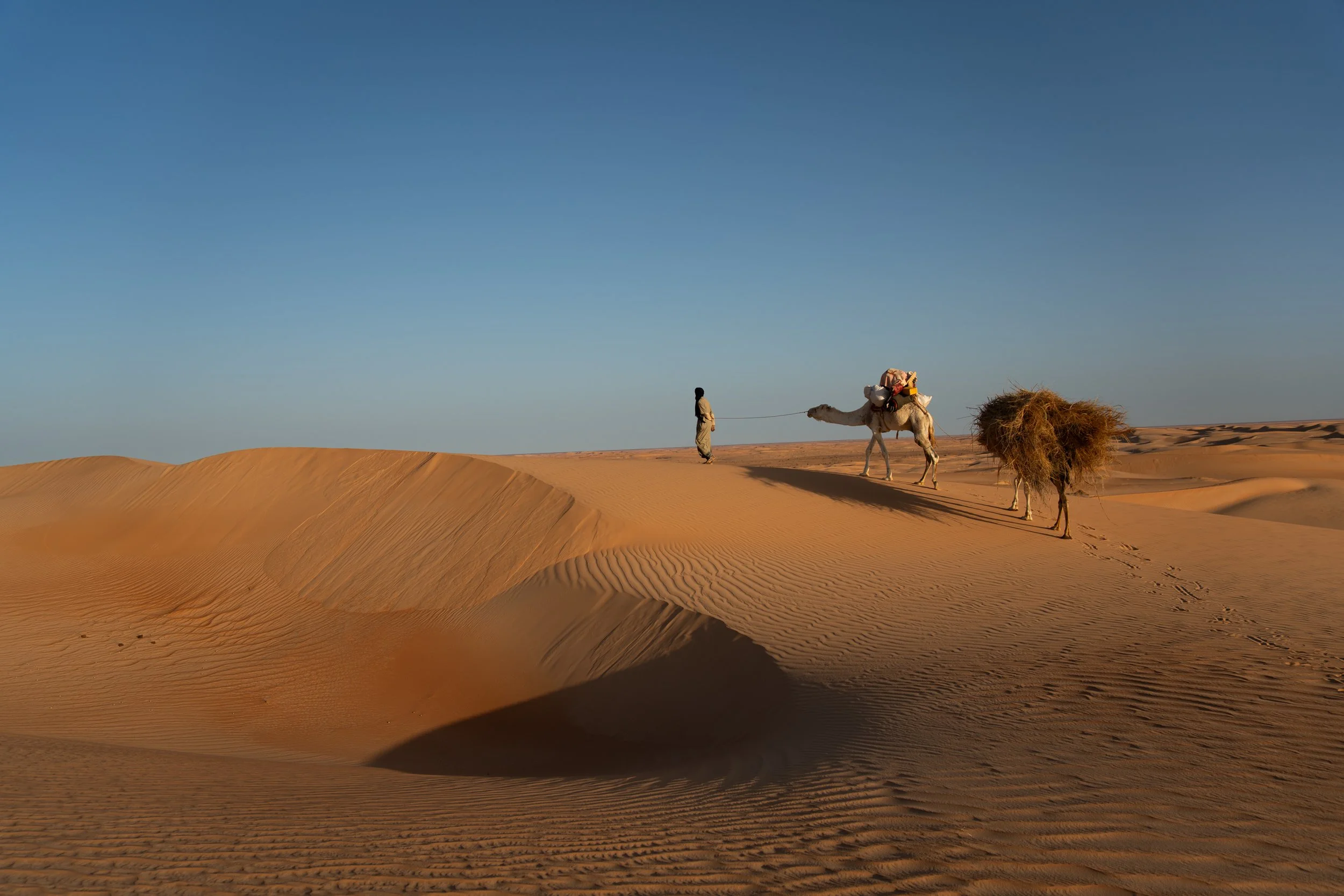
The ships of the desert
Camels can lose up to 25% of their body weight in water without getting sick. They can drink up to 100 liters of water in one sitting
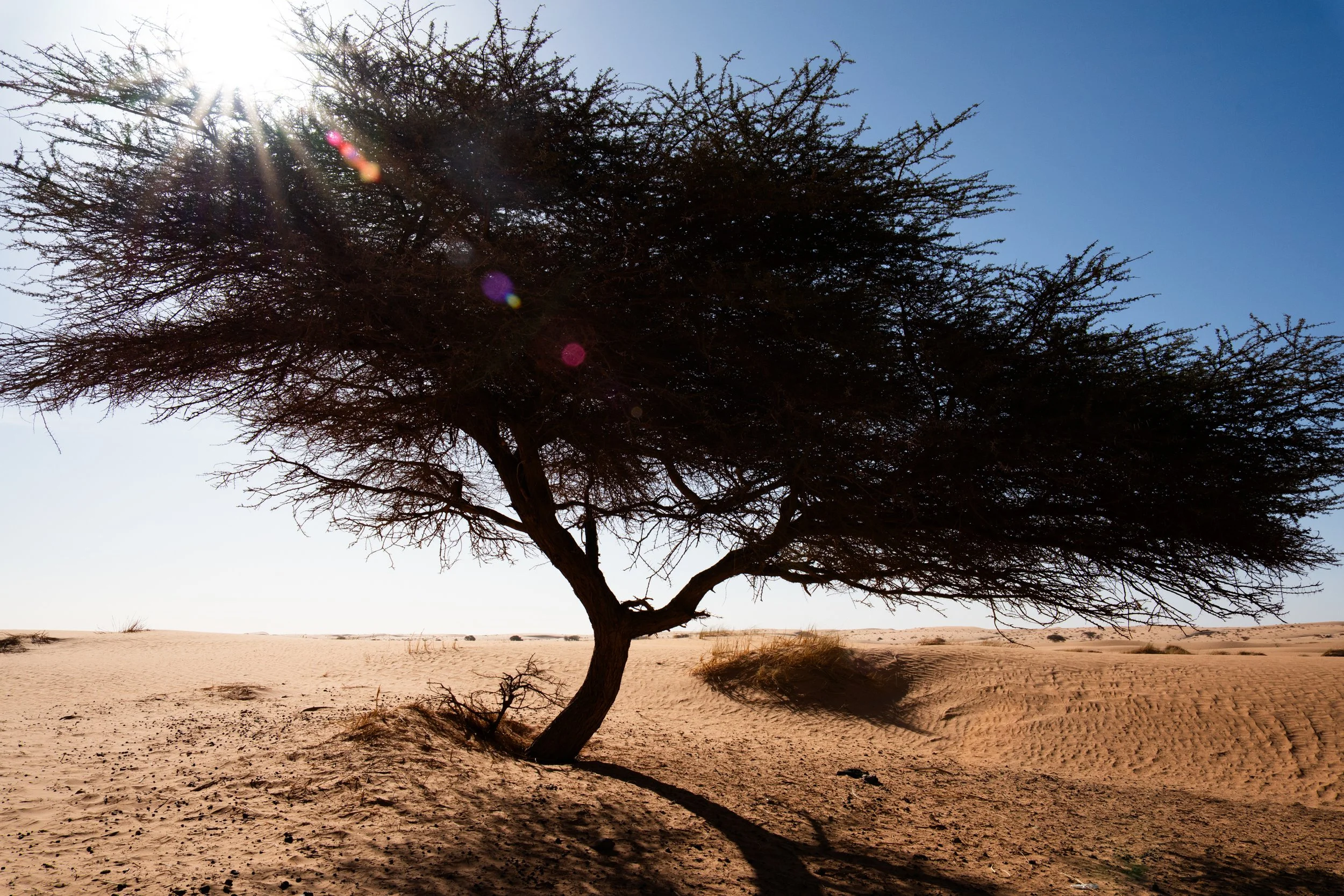
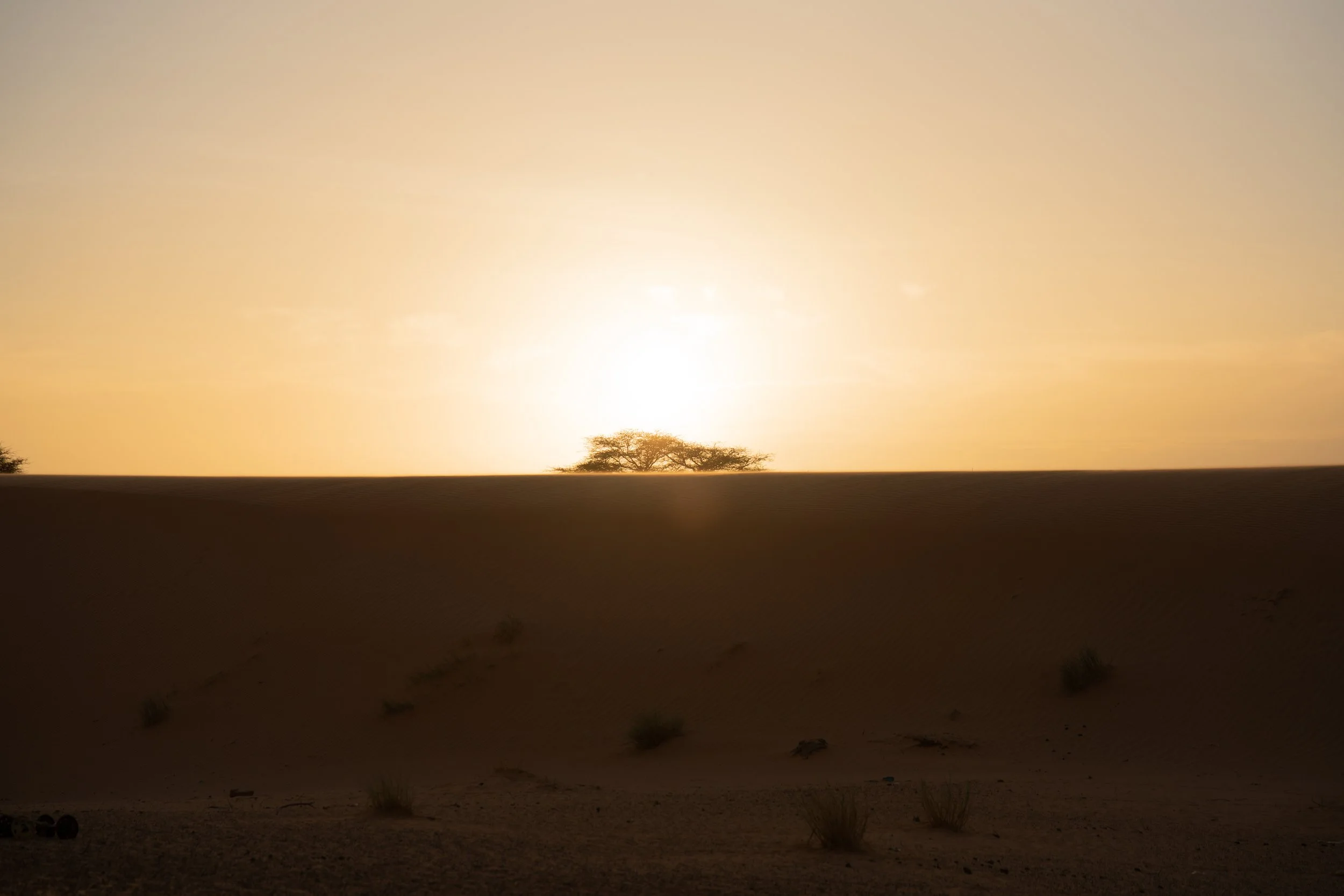
In the desert you might see a three and all its complexity for the very first time
Dahi together with Albyde and Himeri
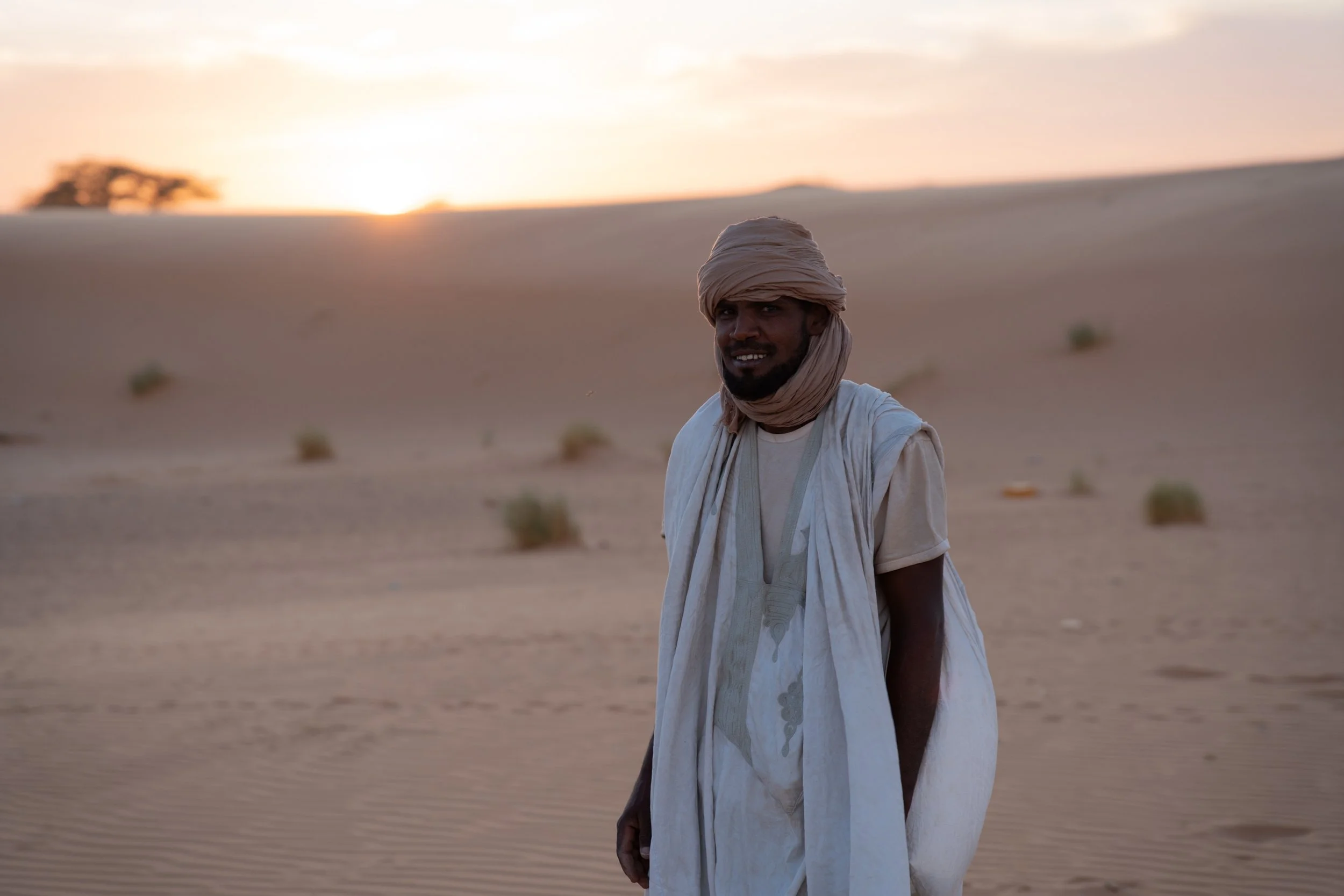
Dahi can read the desert and its movements. Before Abed came to greet us, he already knew he was coming
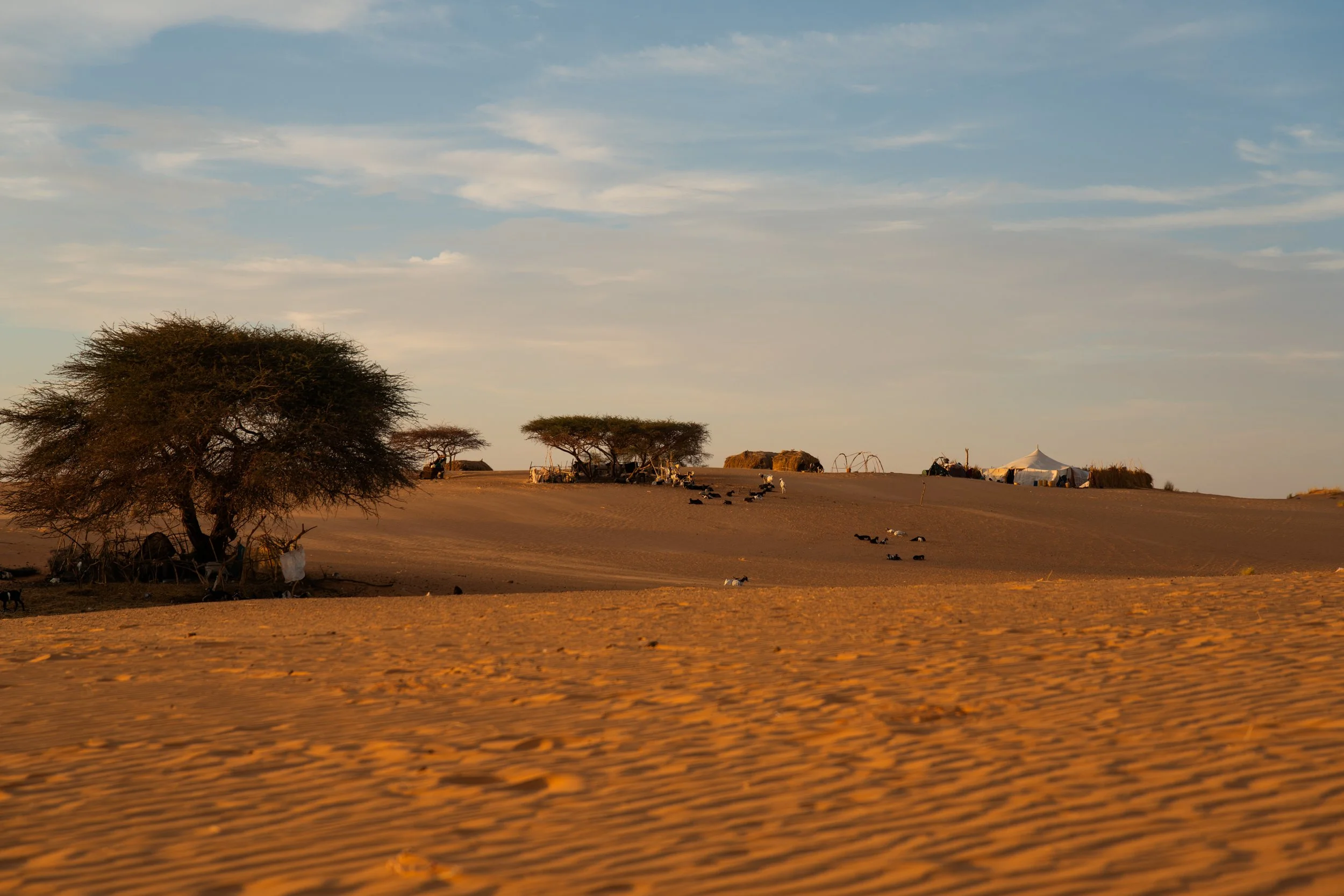
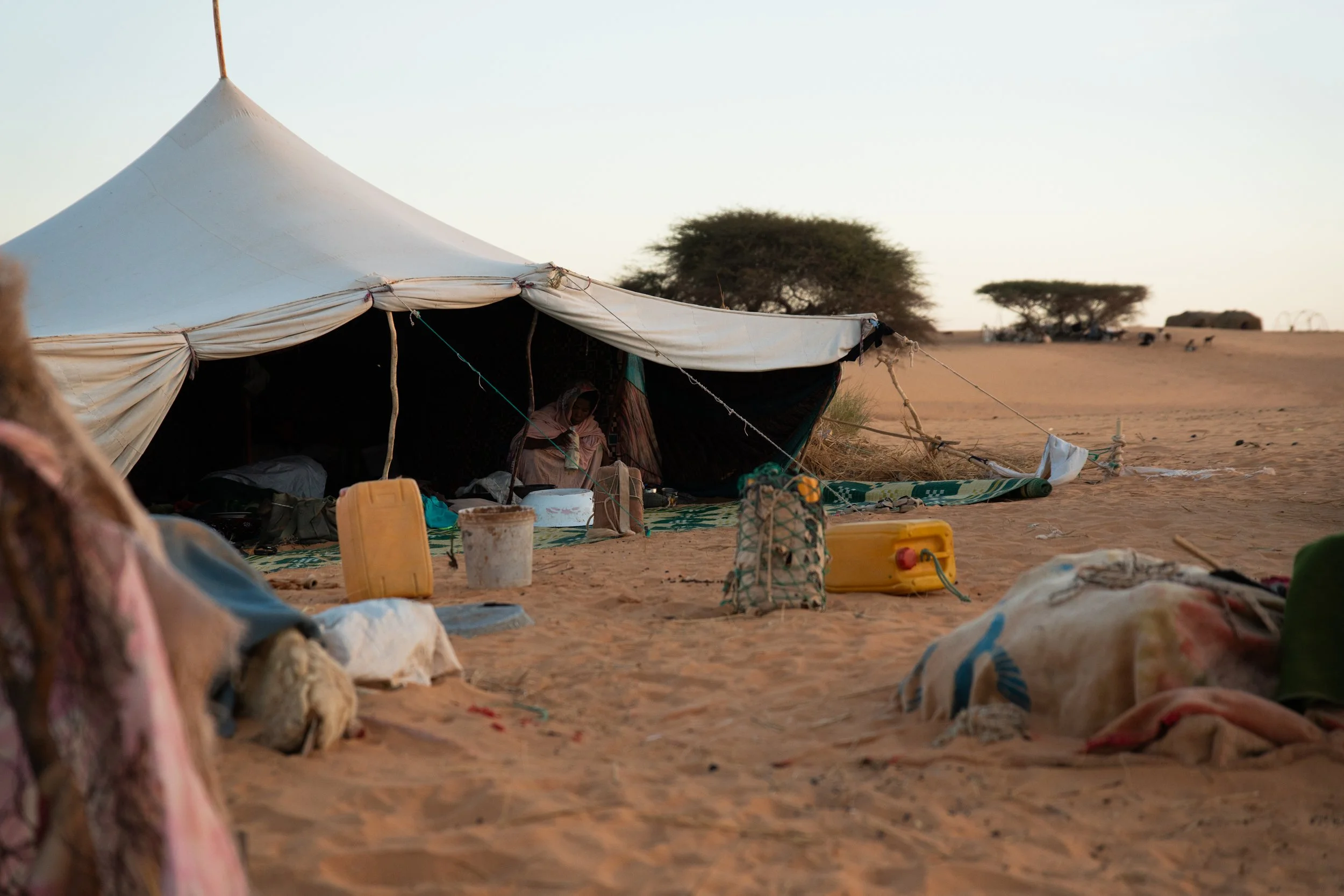
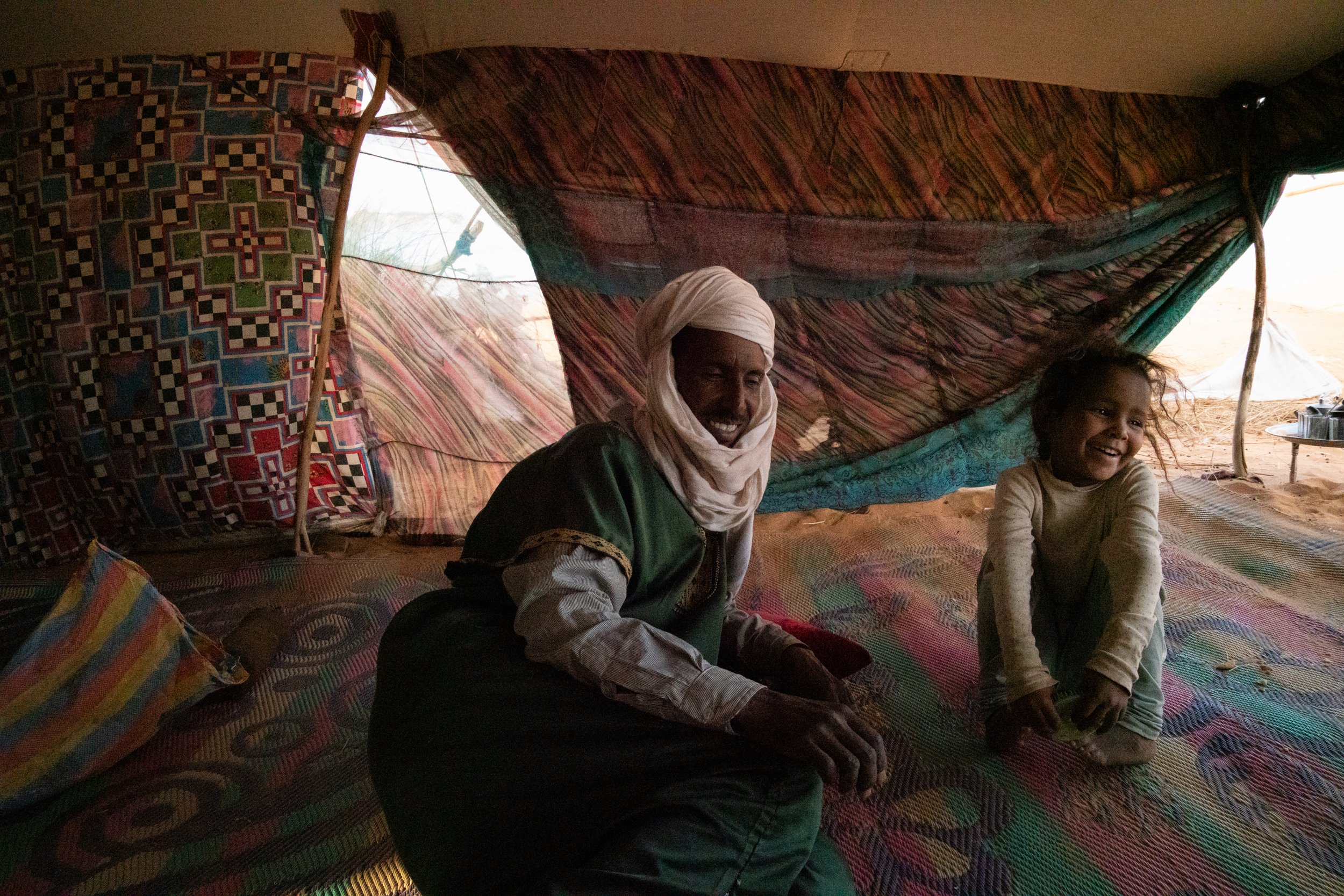
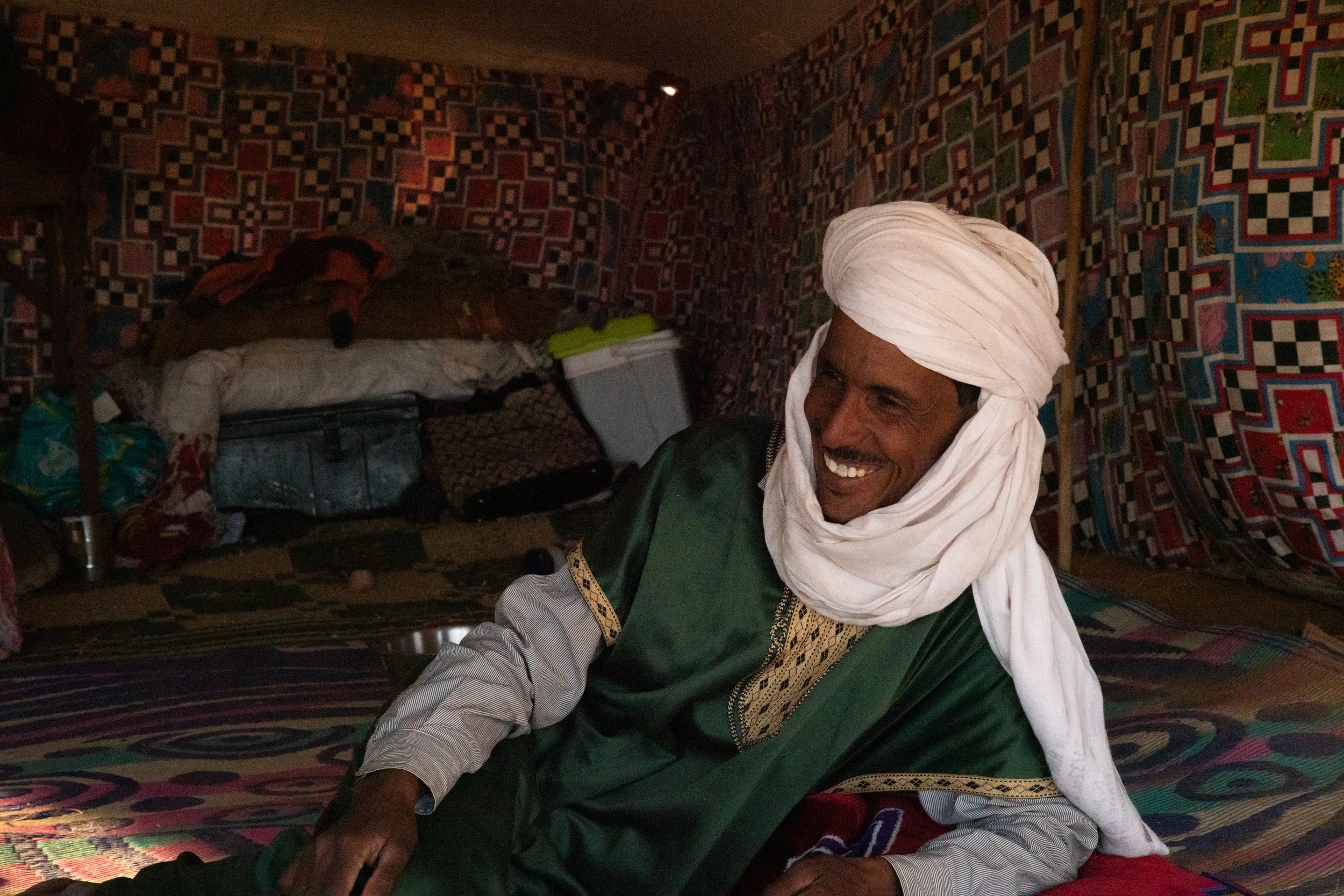
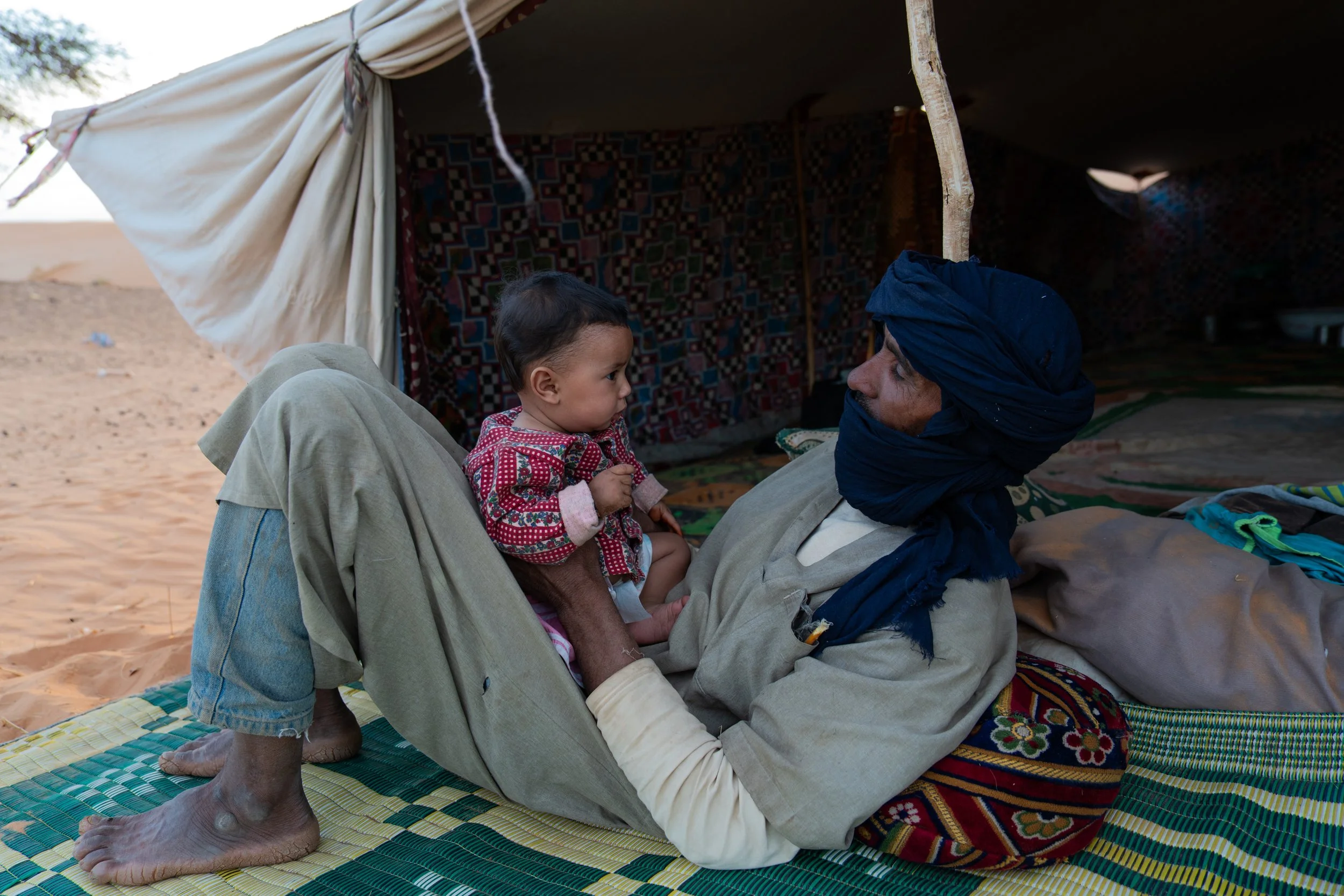
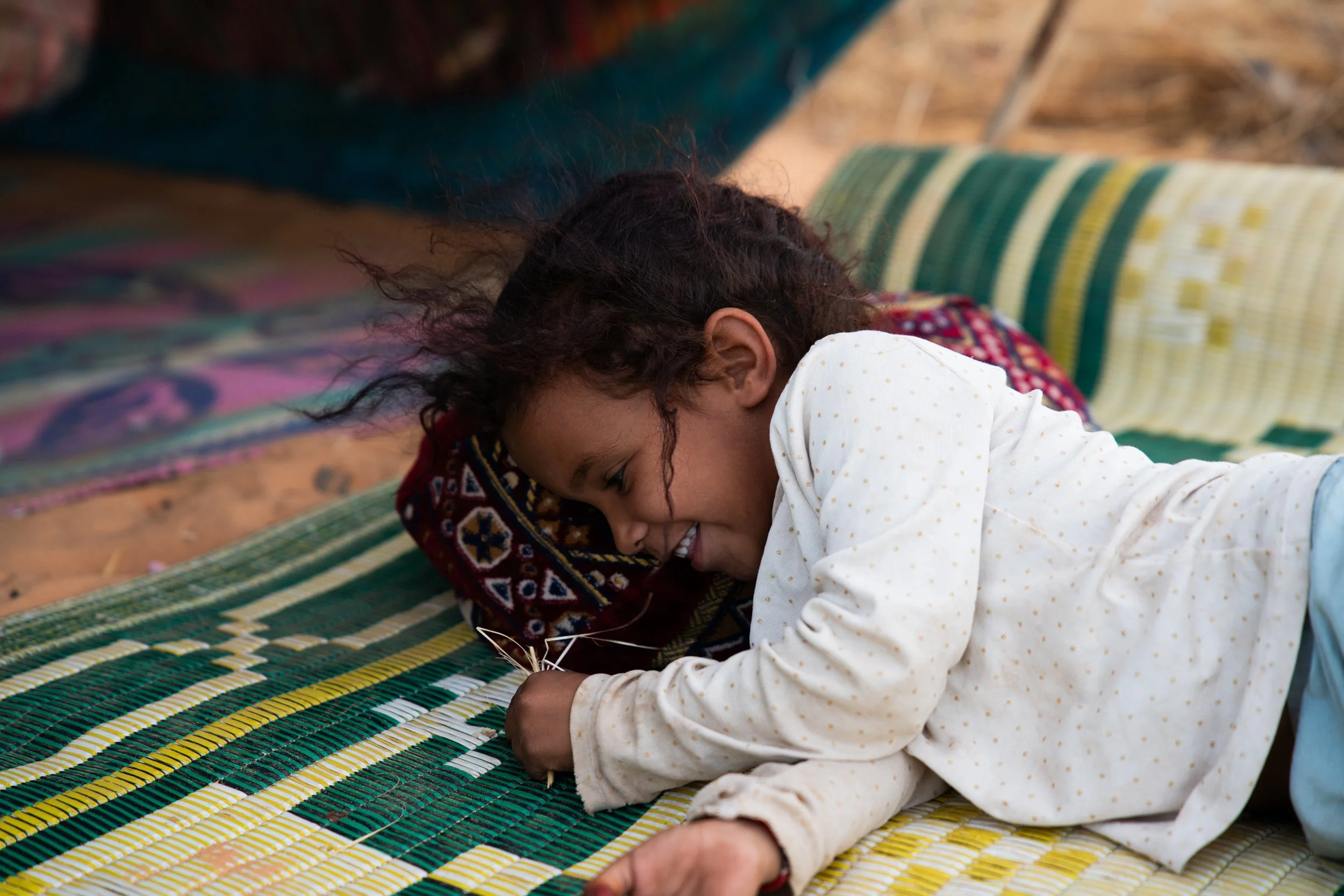
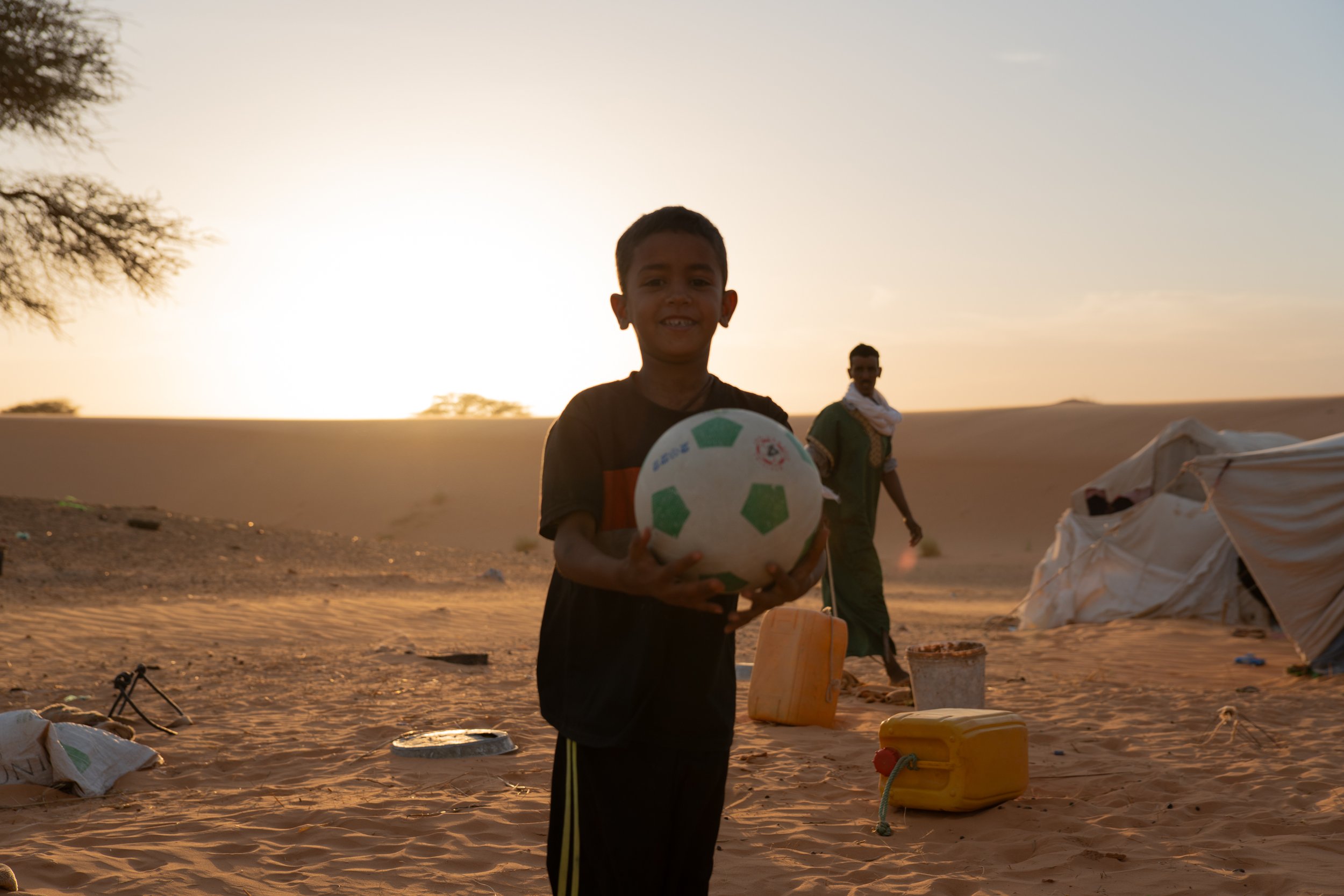
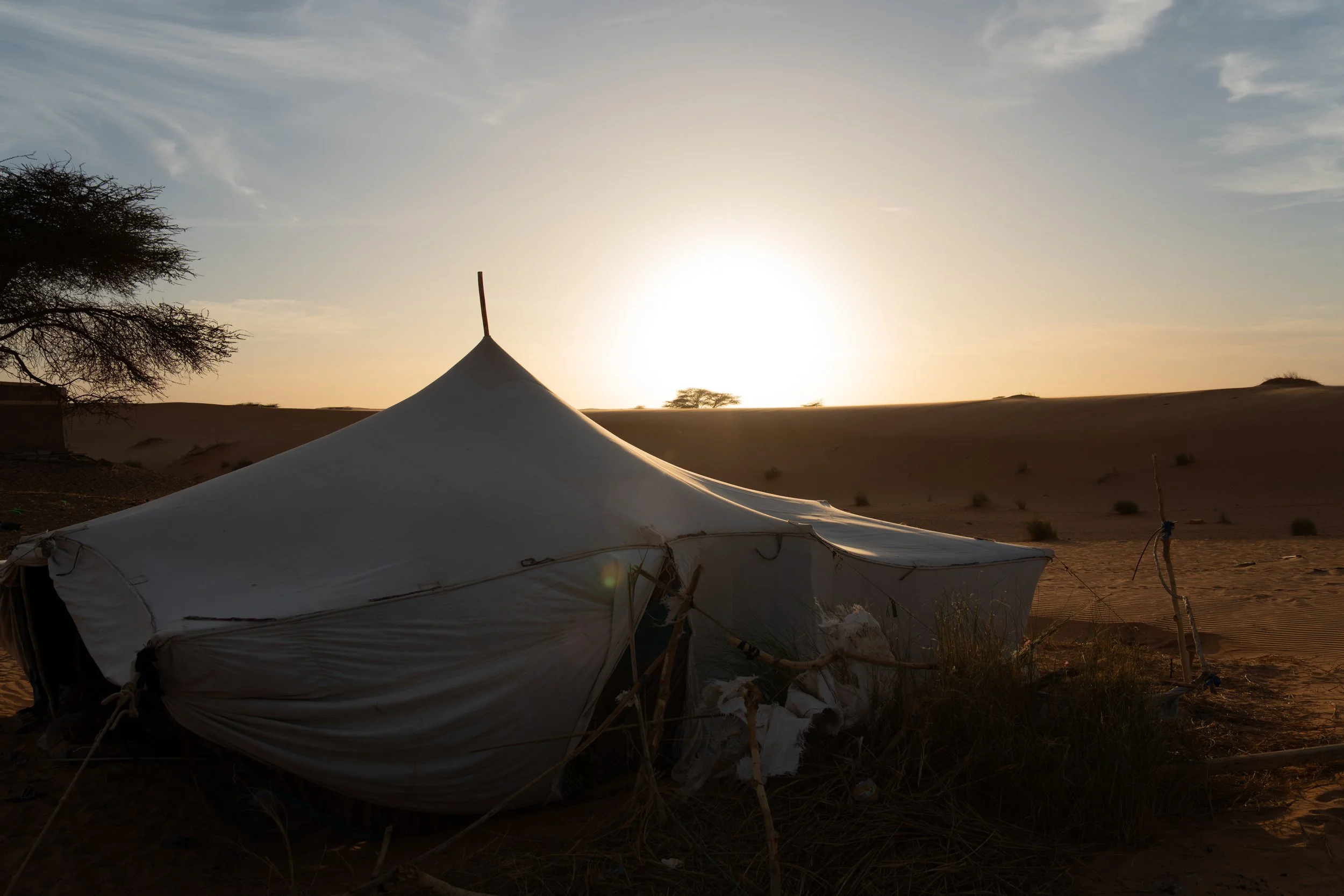
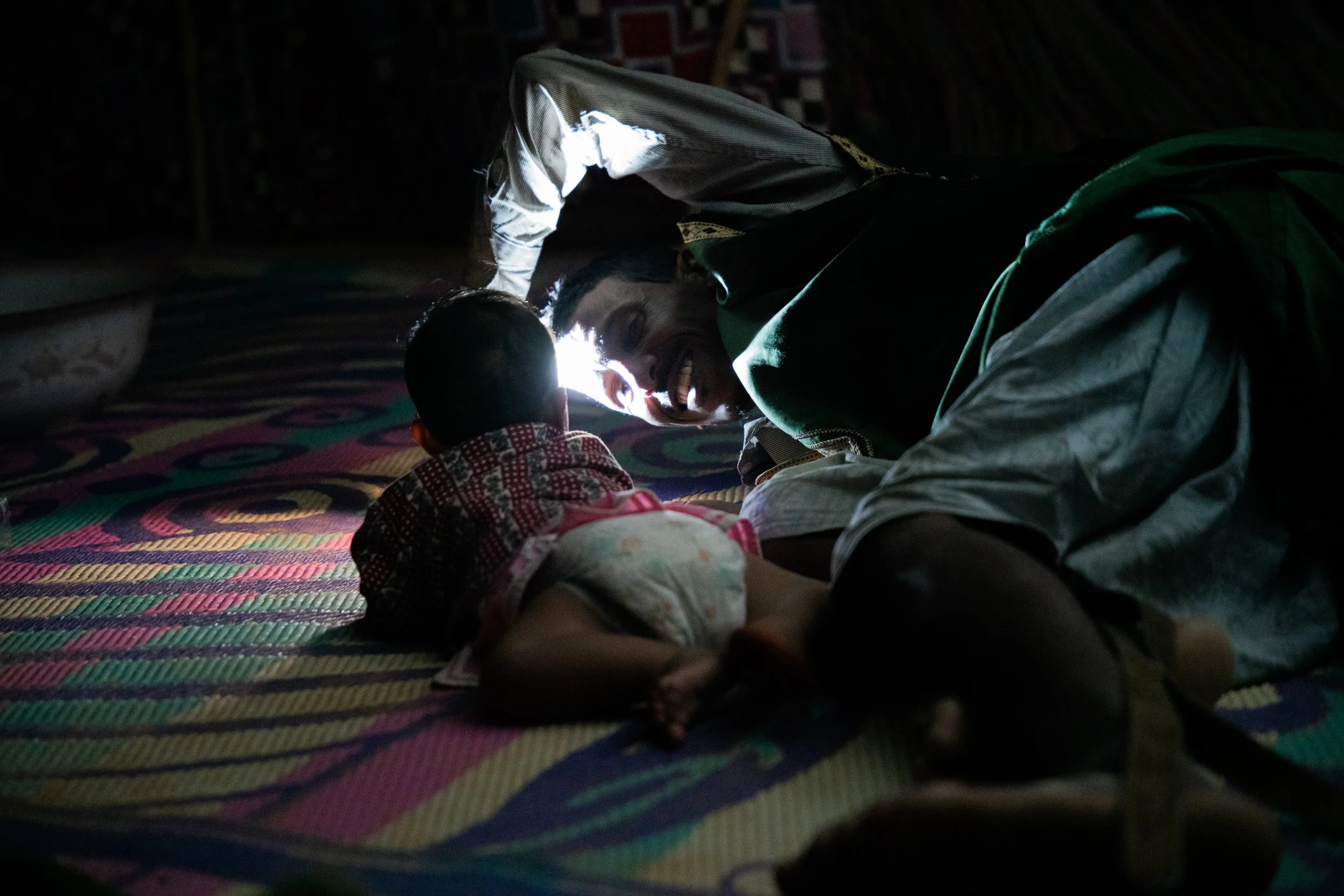
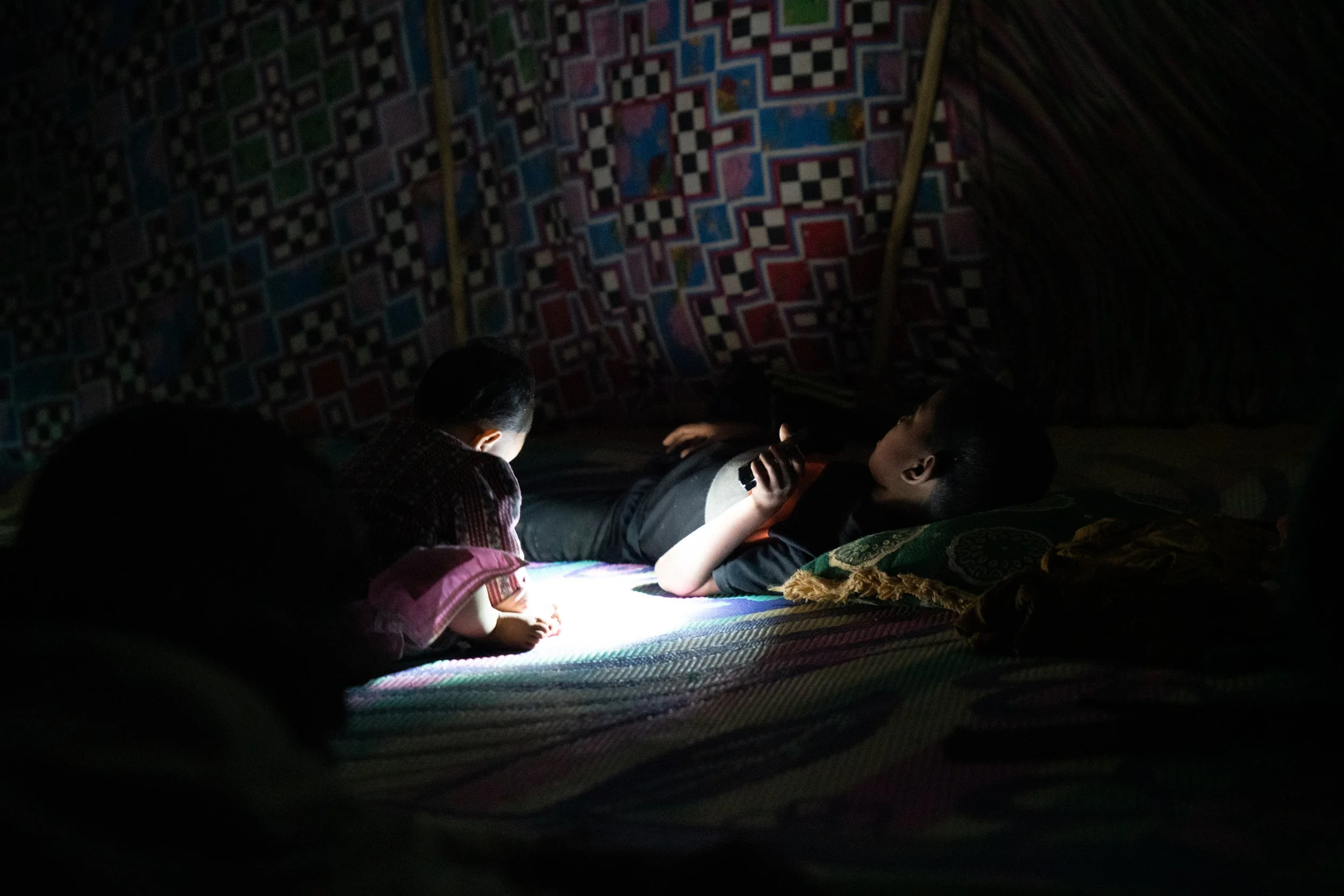
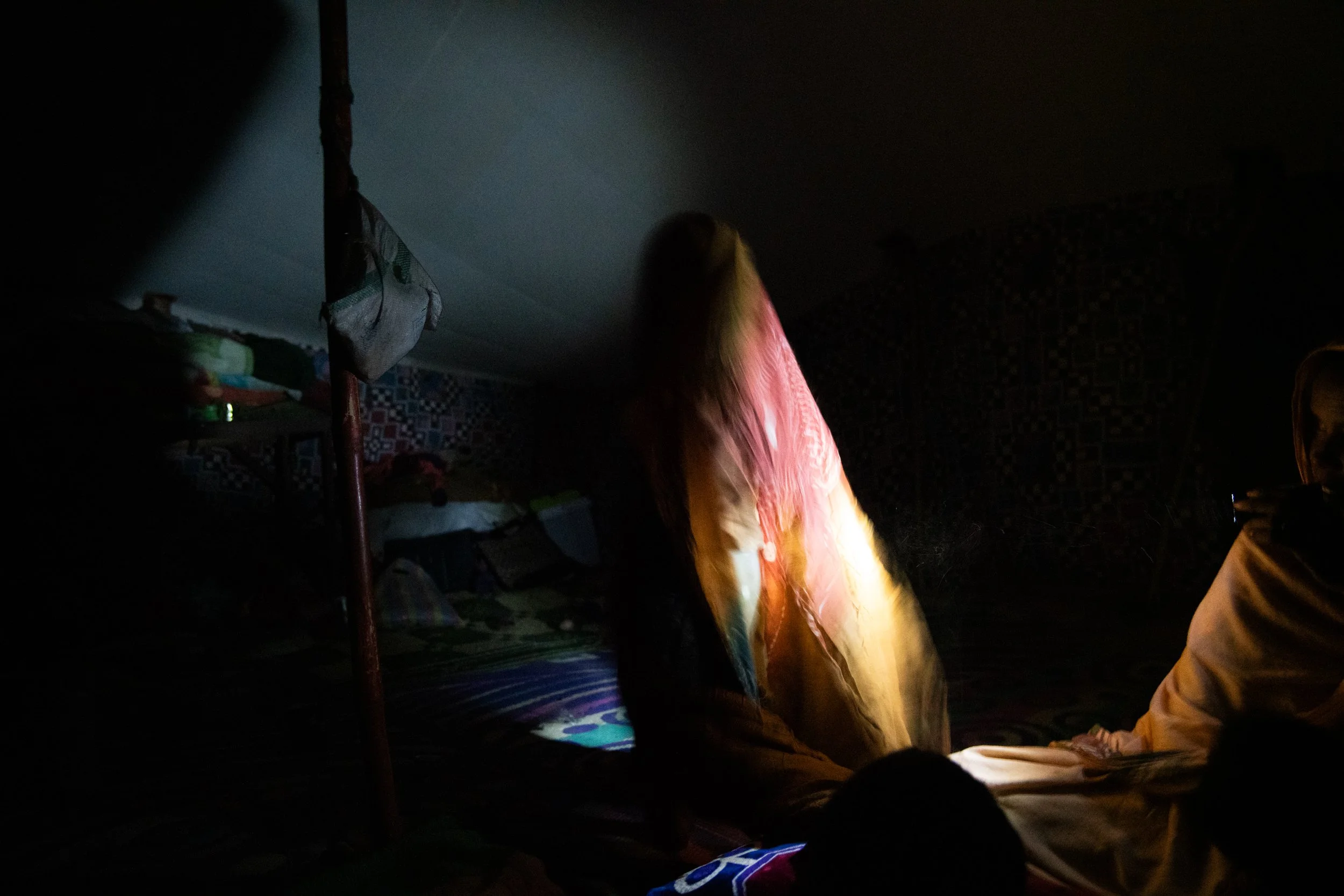
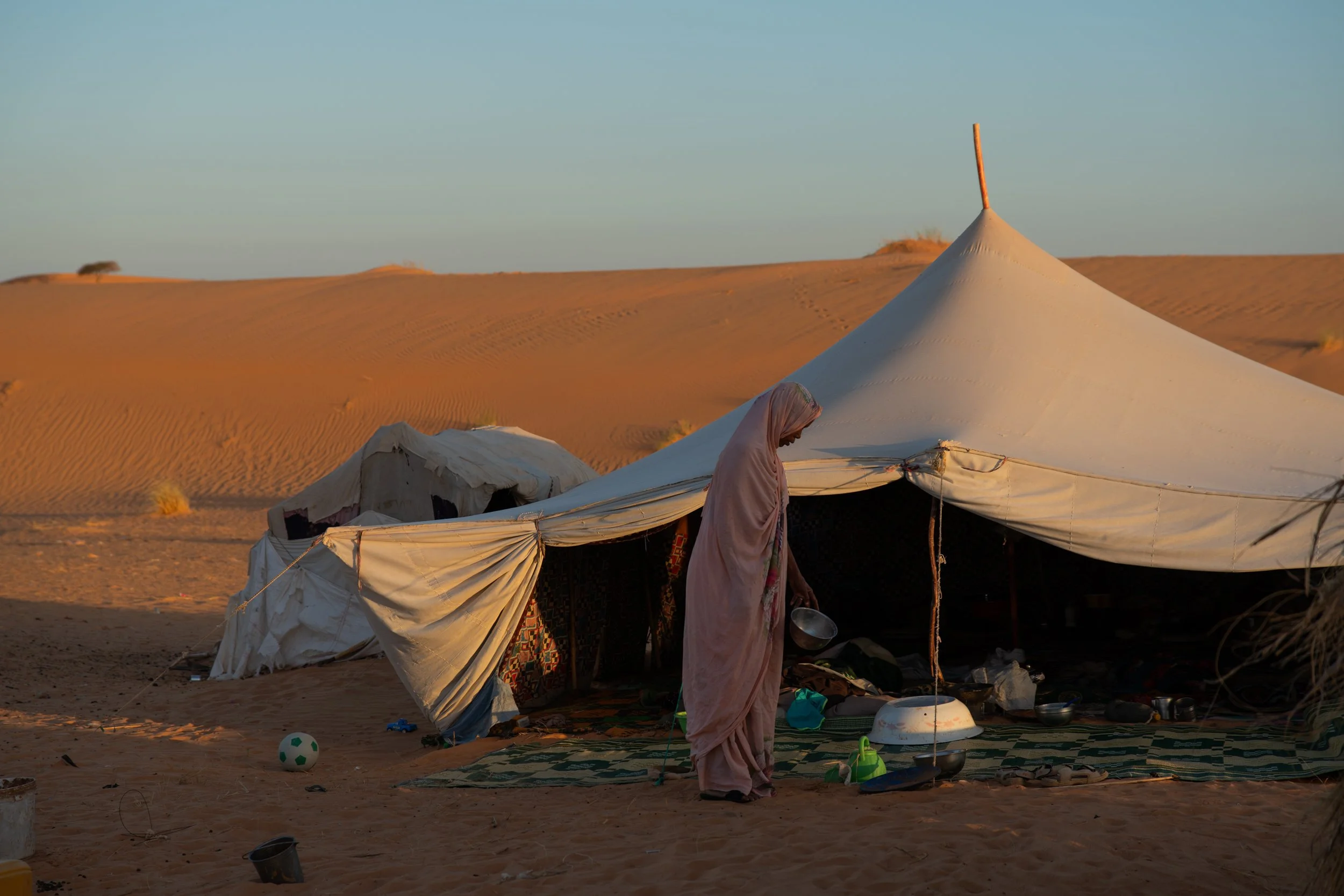
Abed invited us to stay in the nomadic camp where he lives with his family
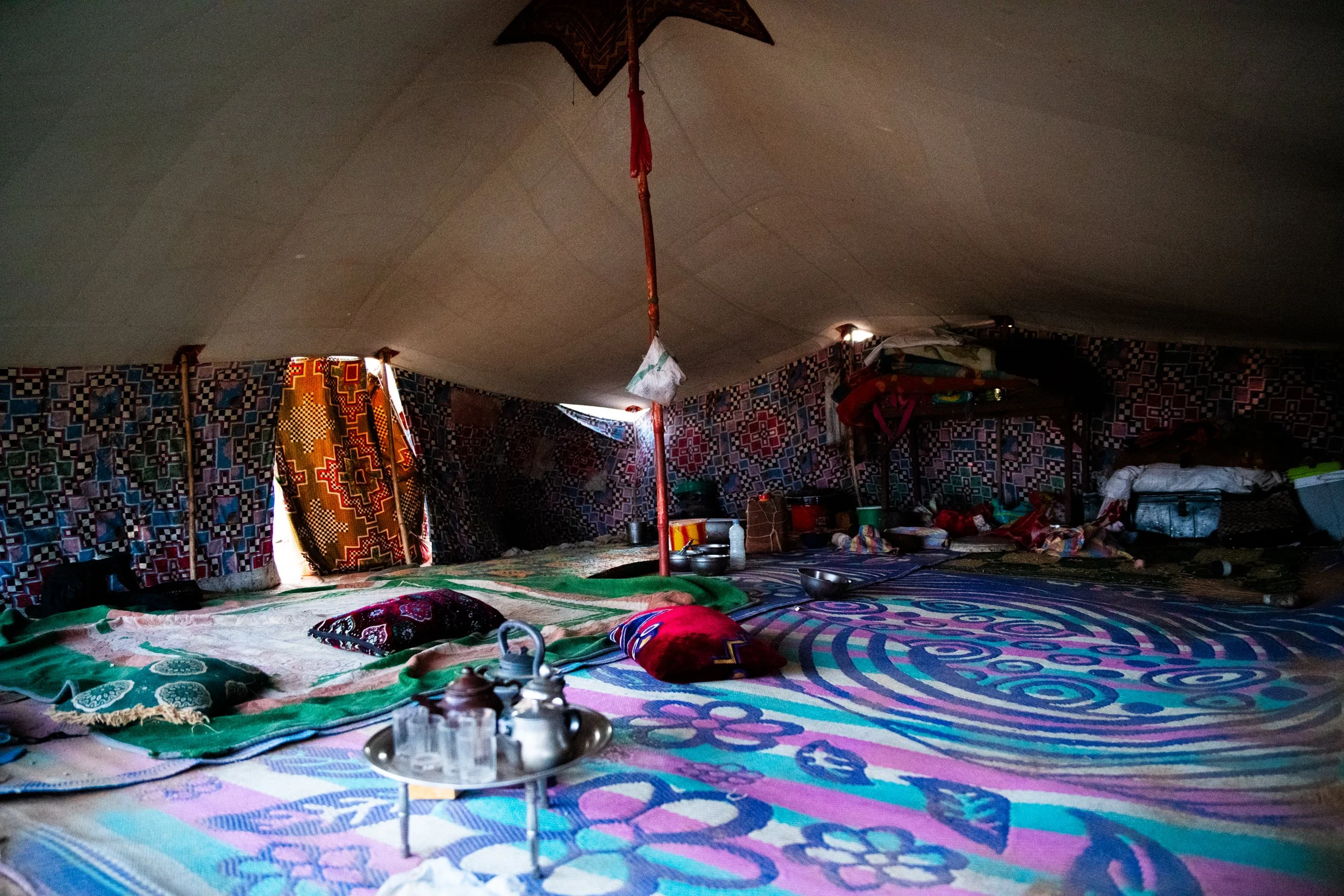
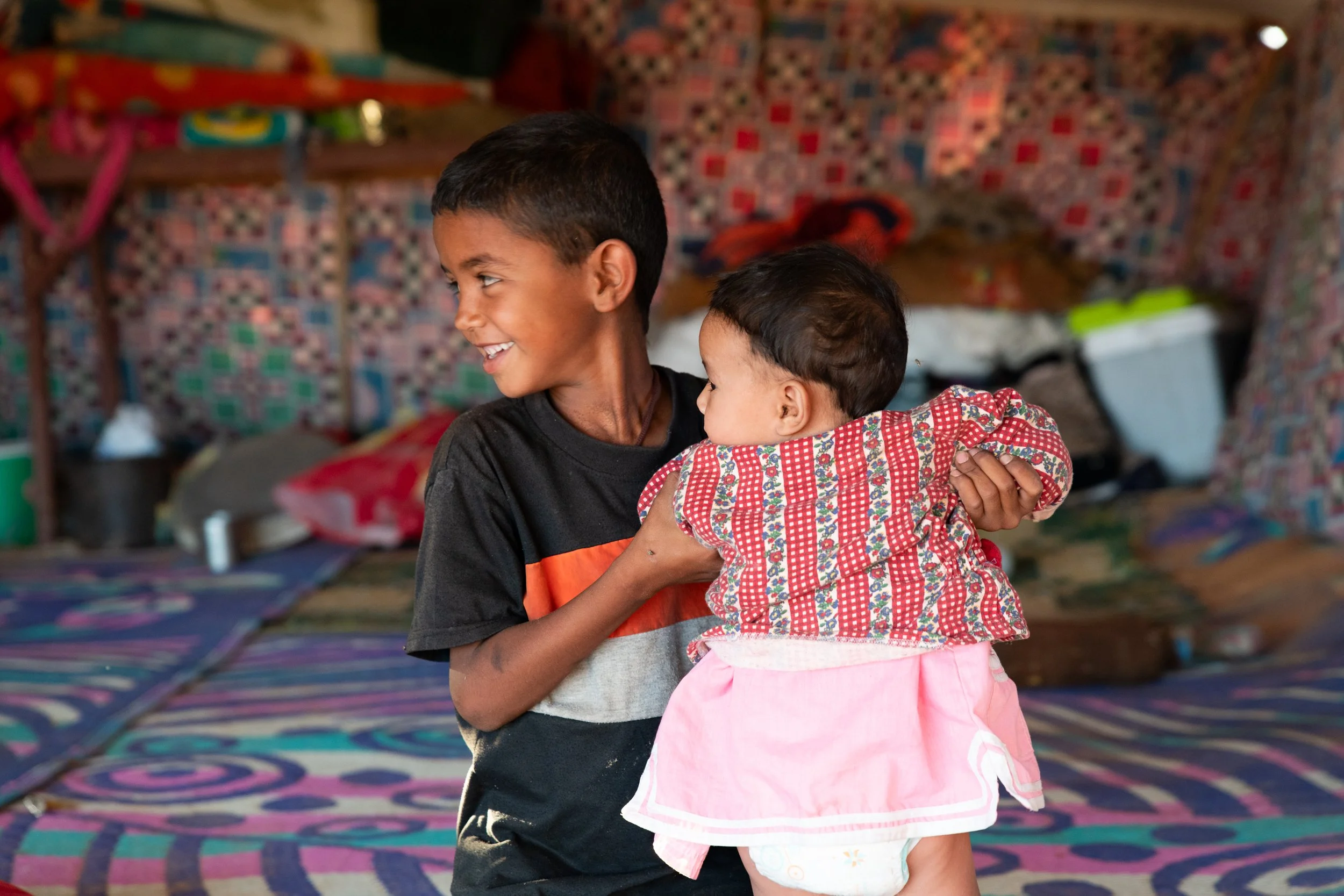
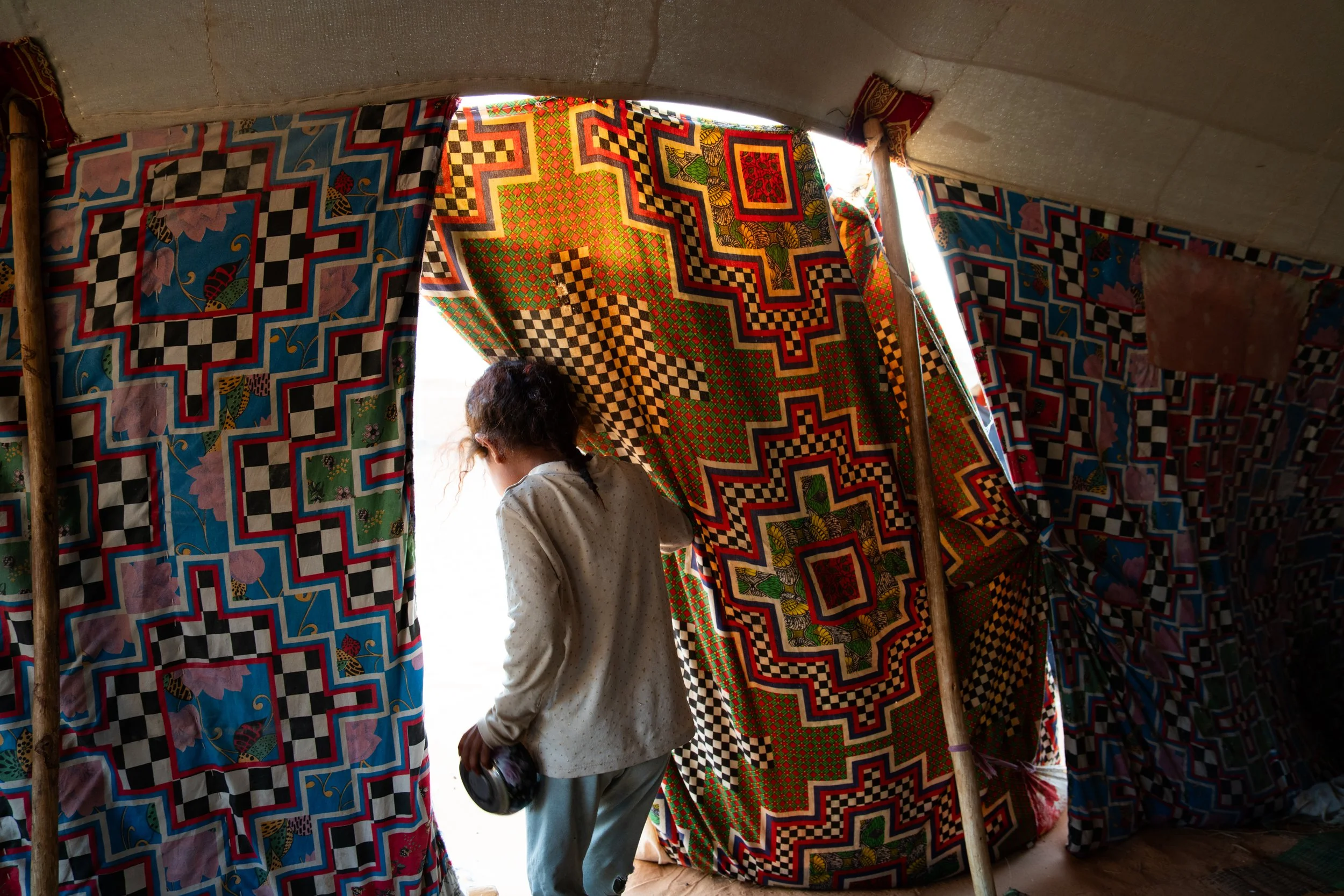
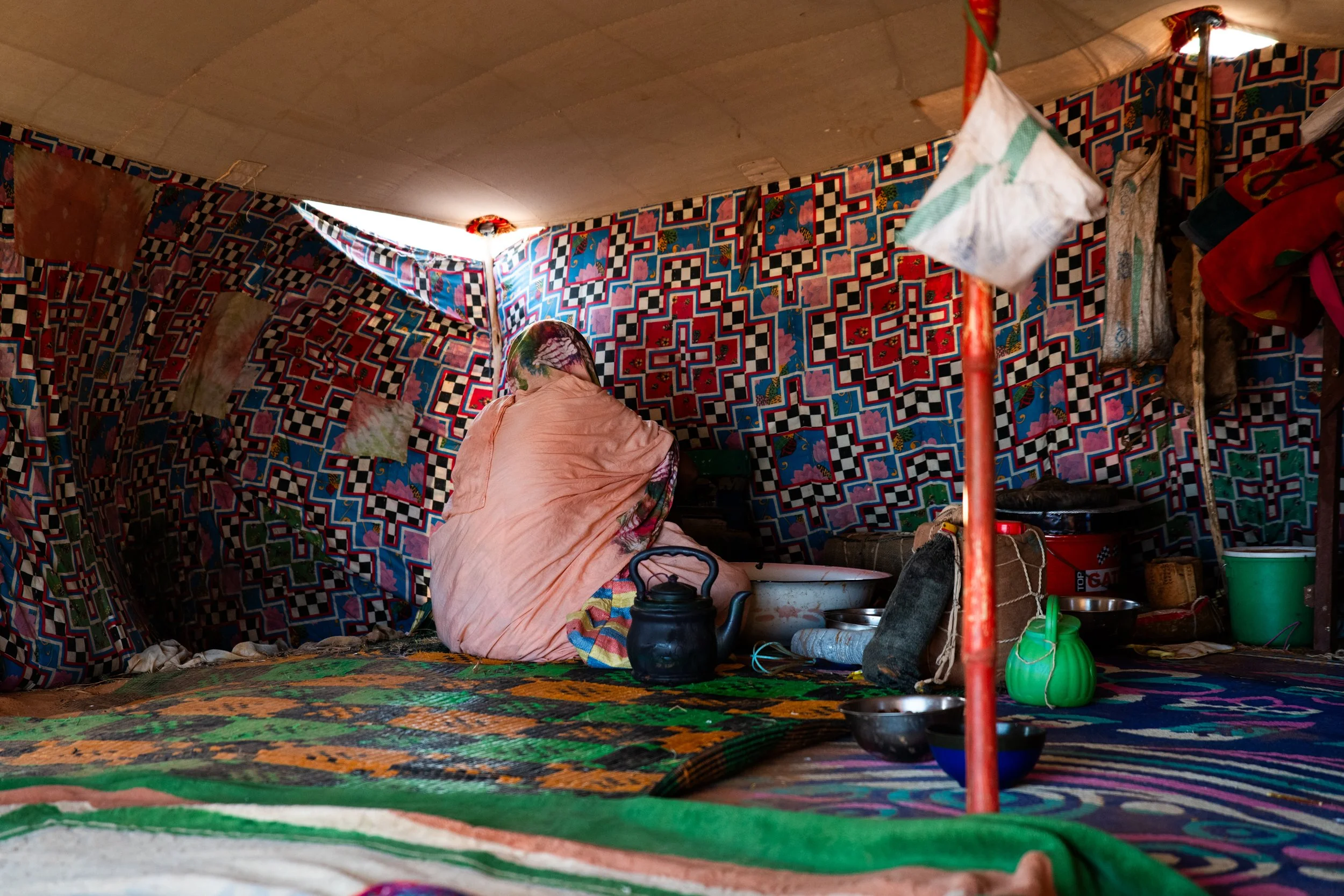
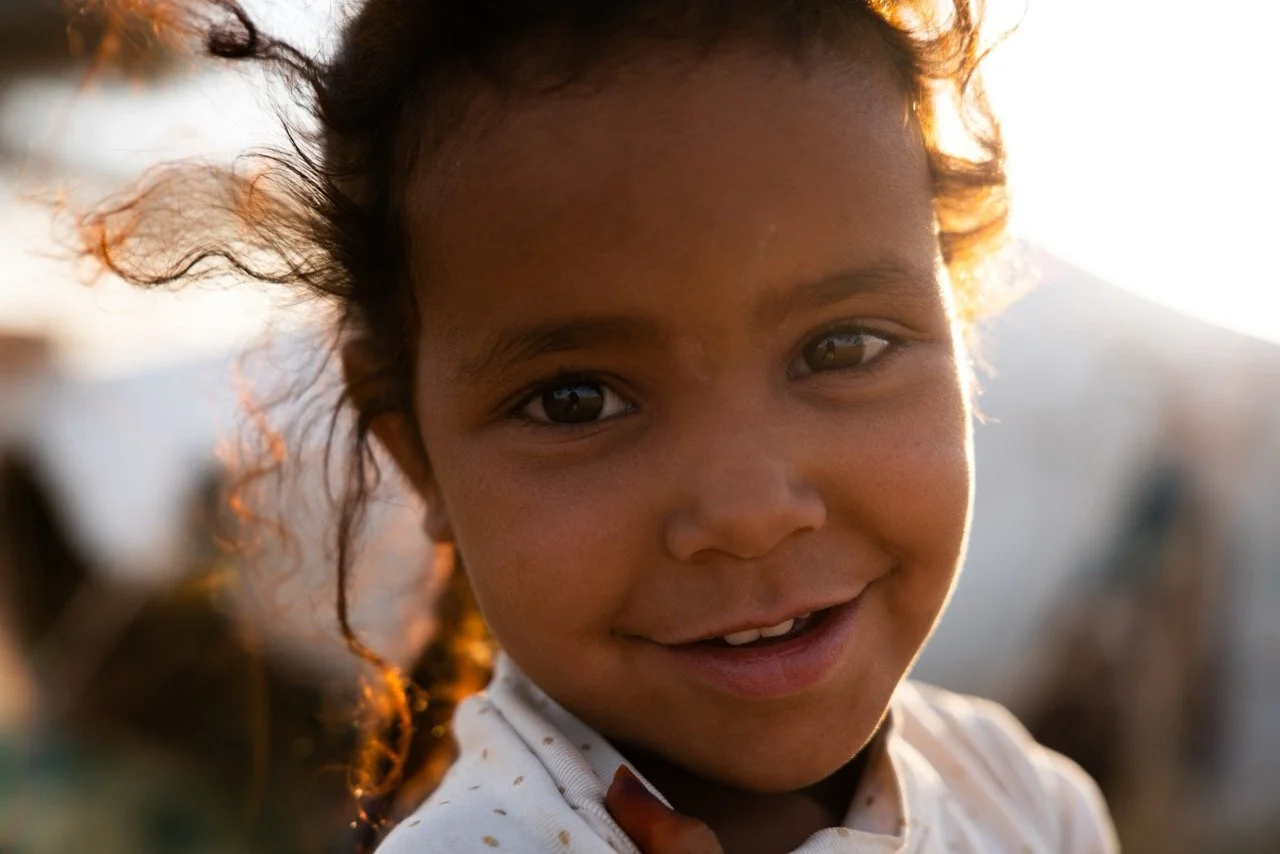
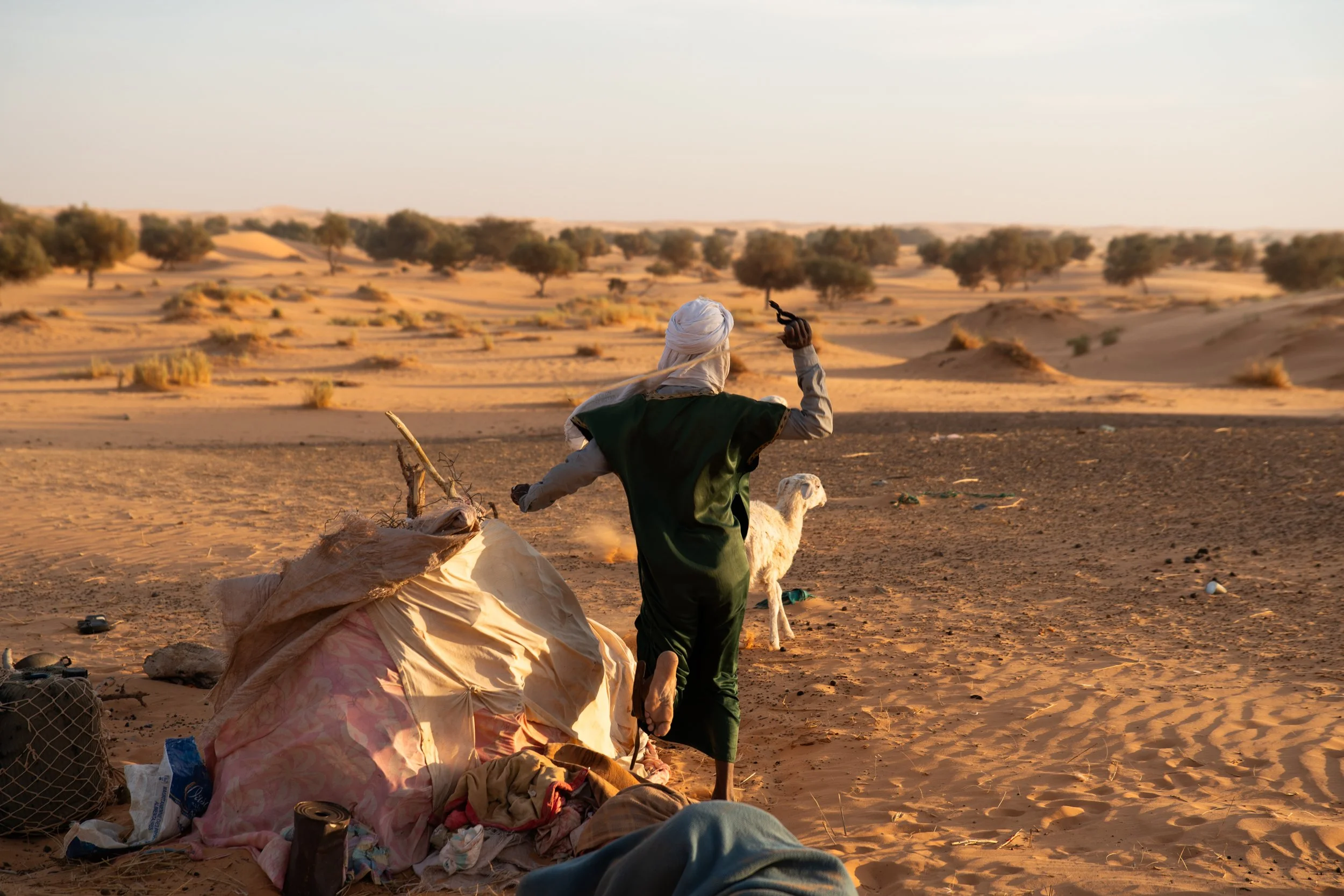
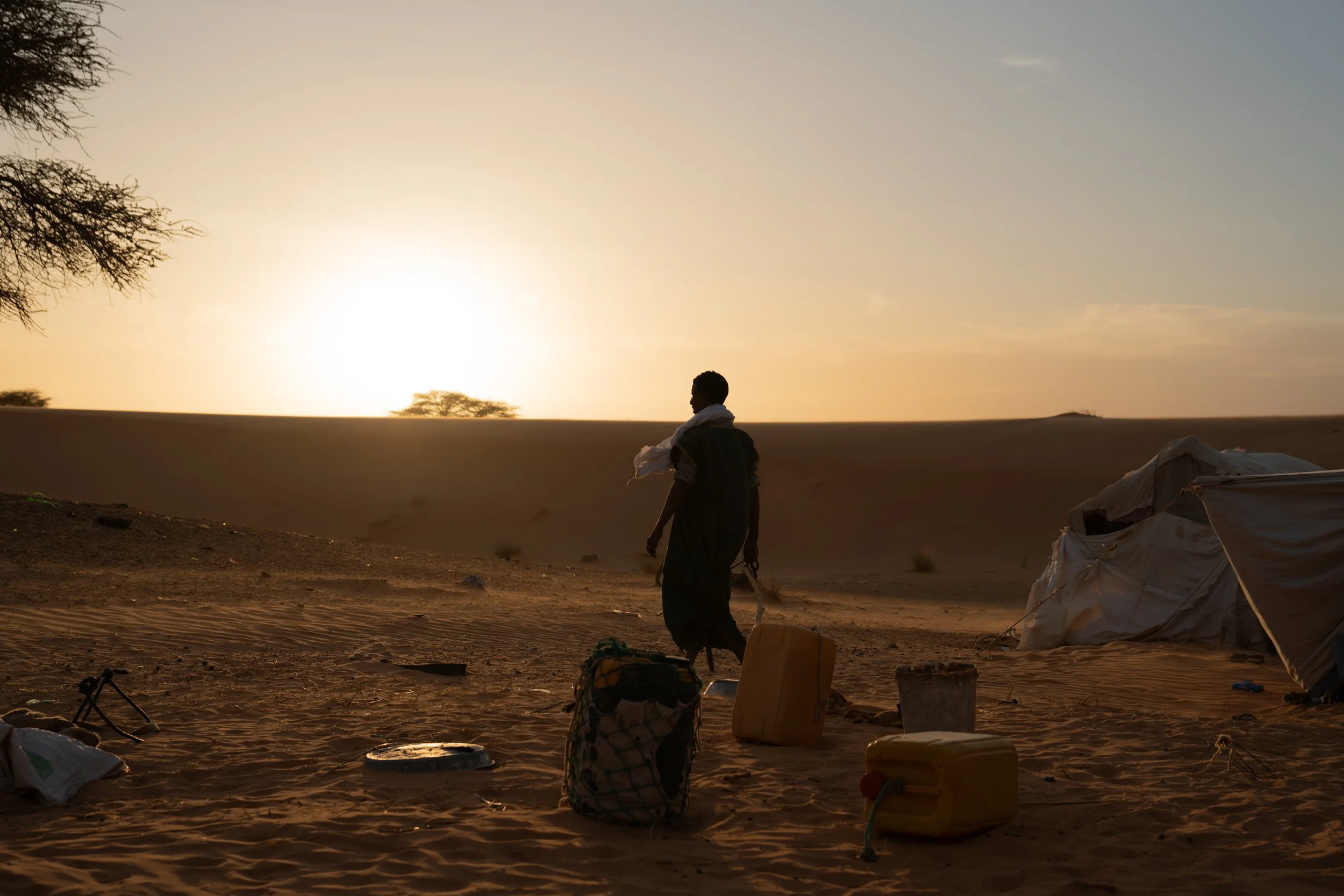
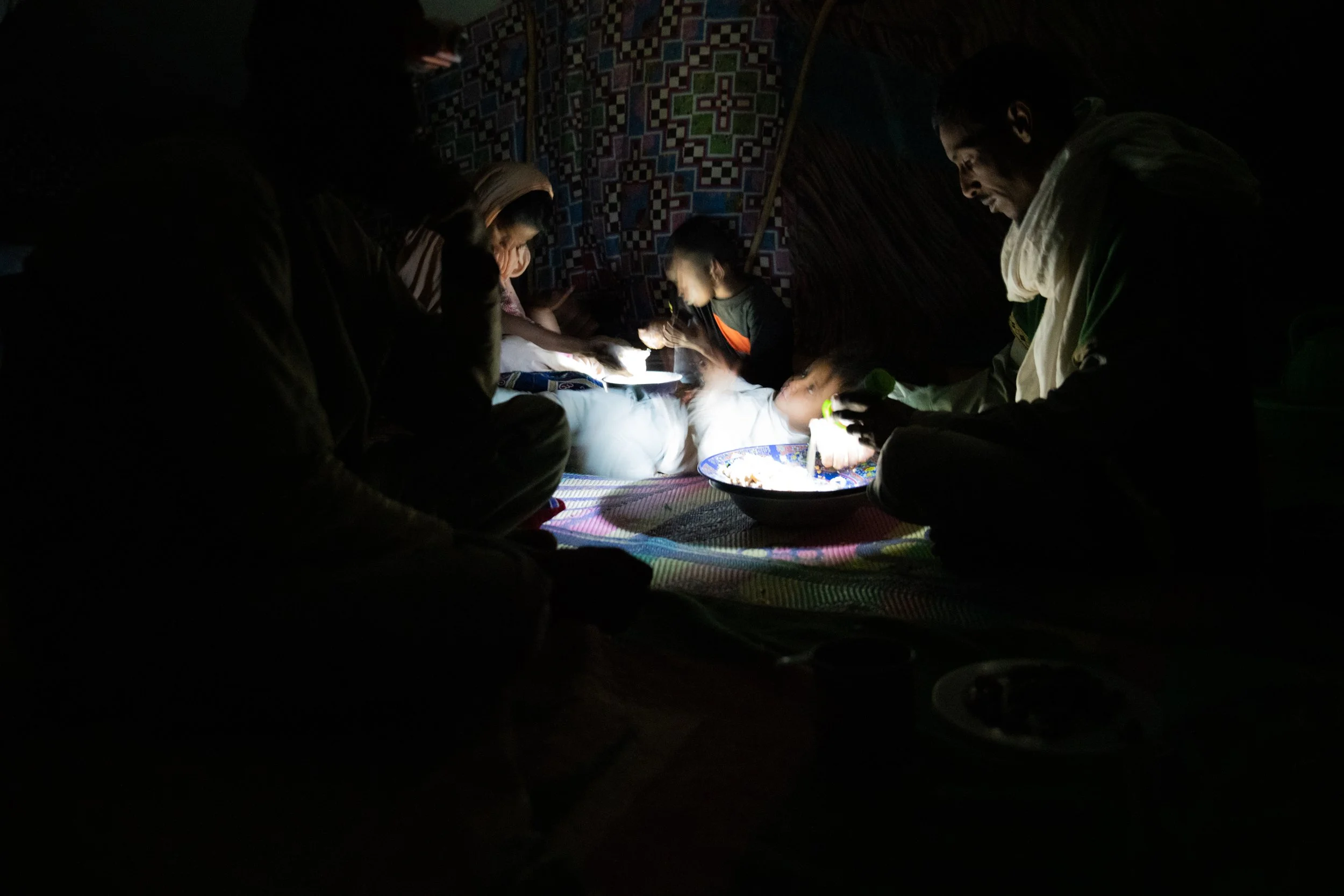
The Tekrour family camp
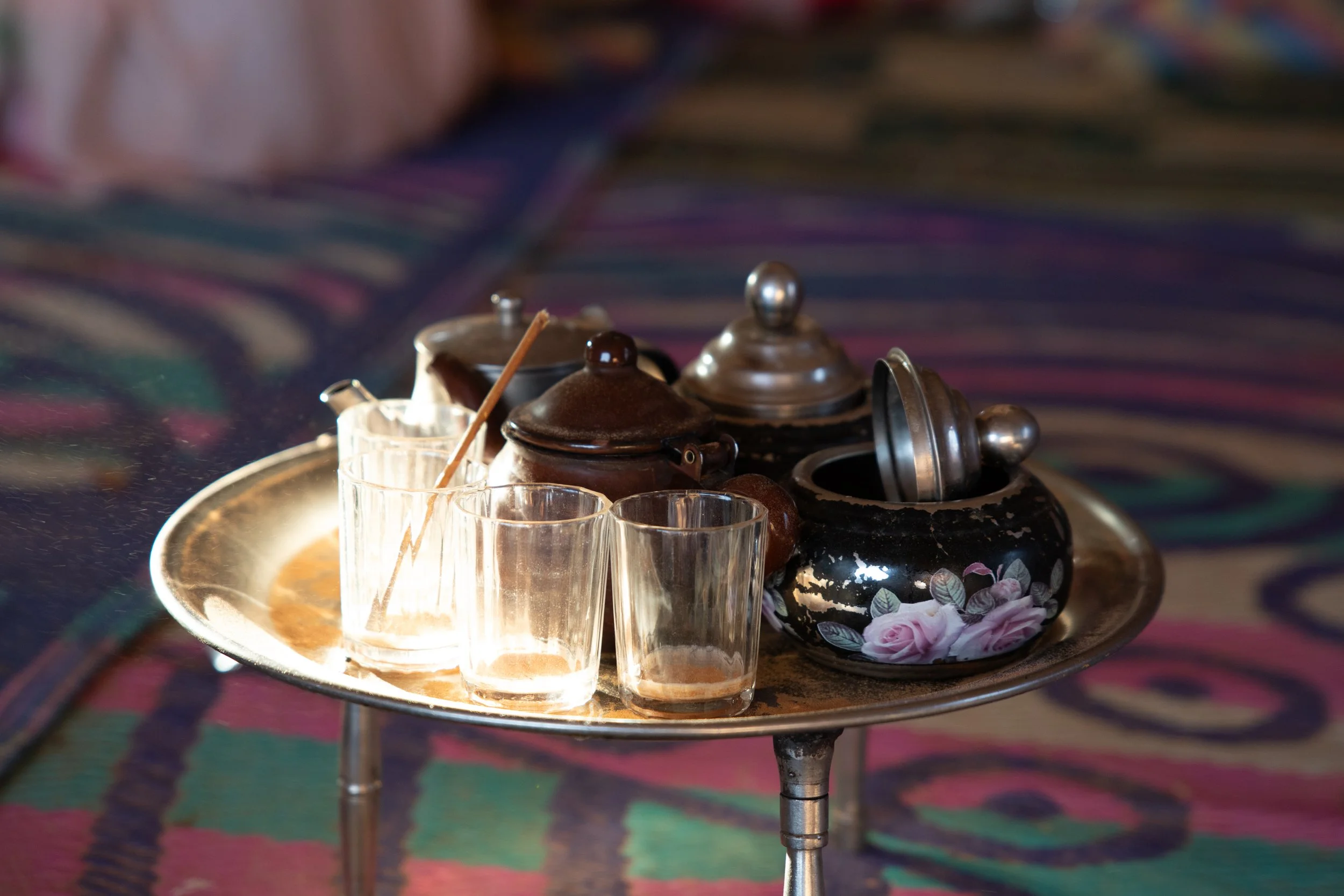
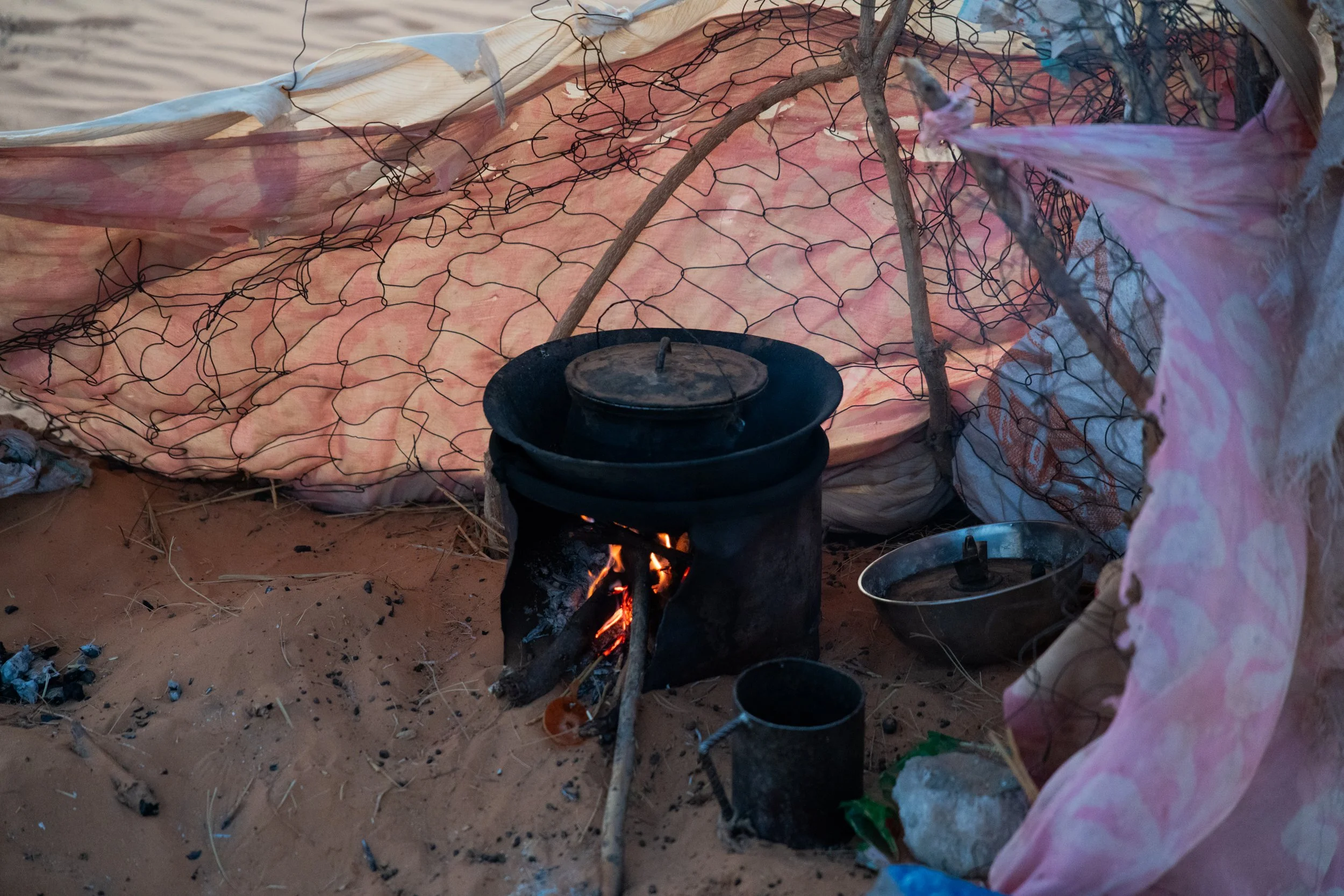
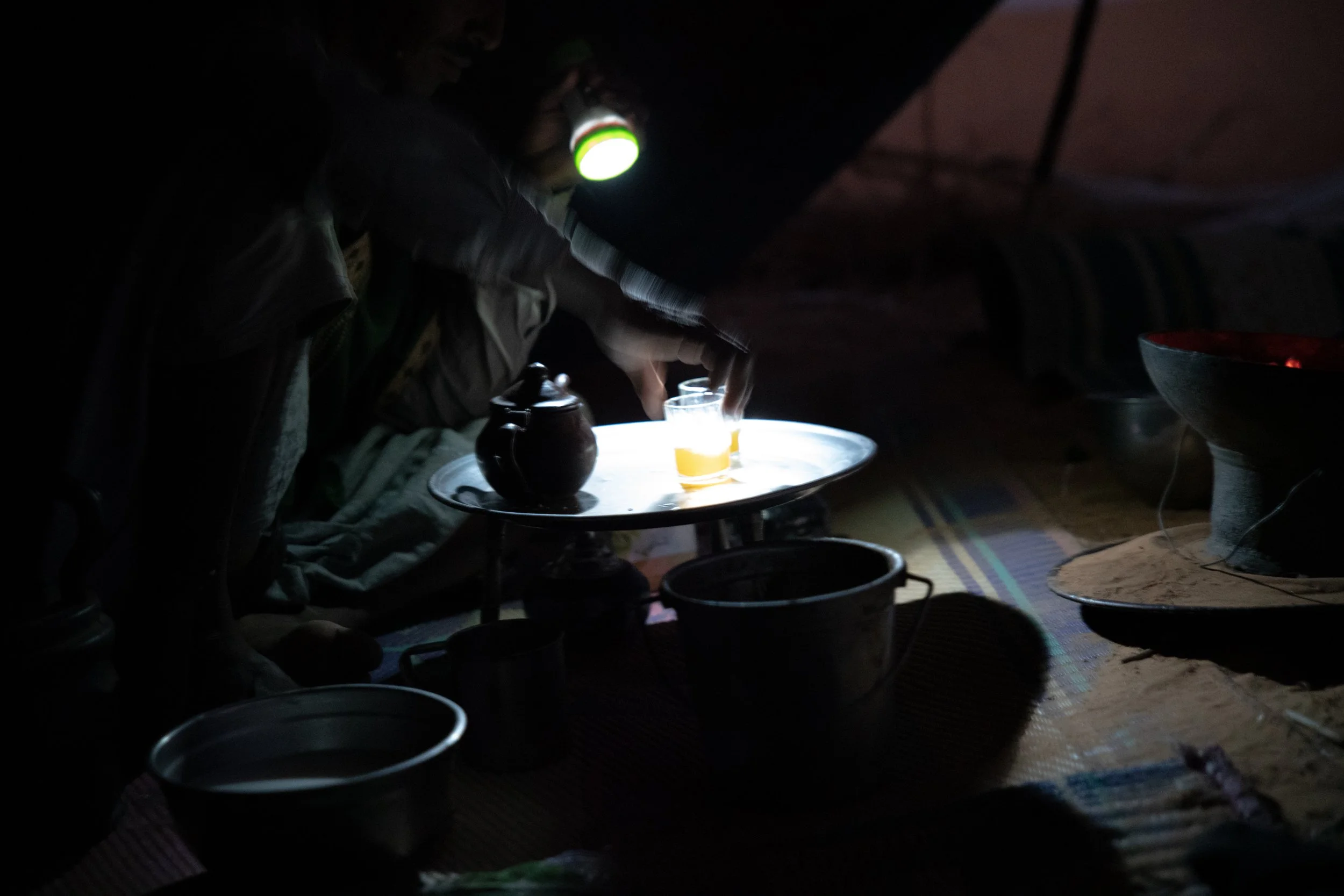
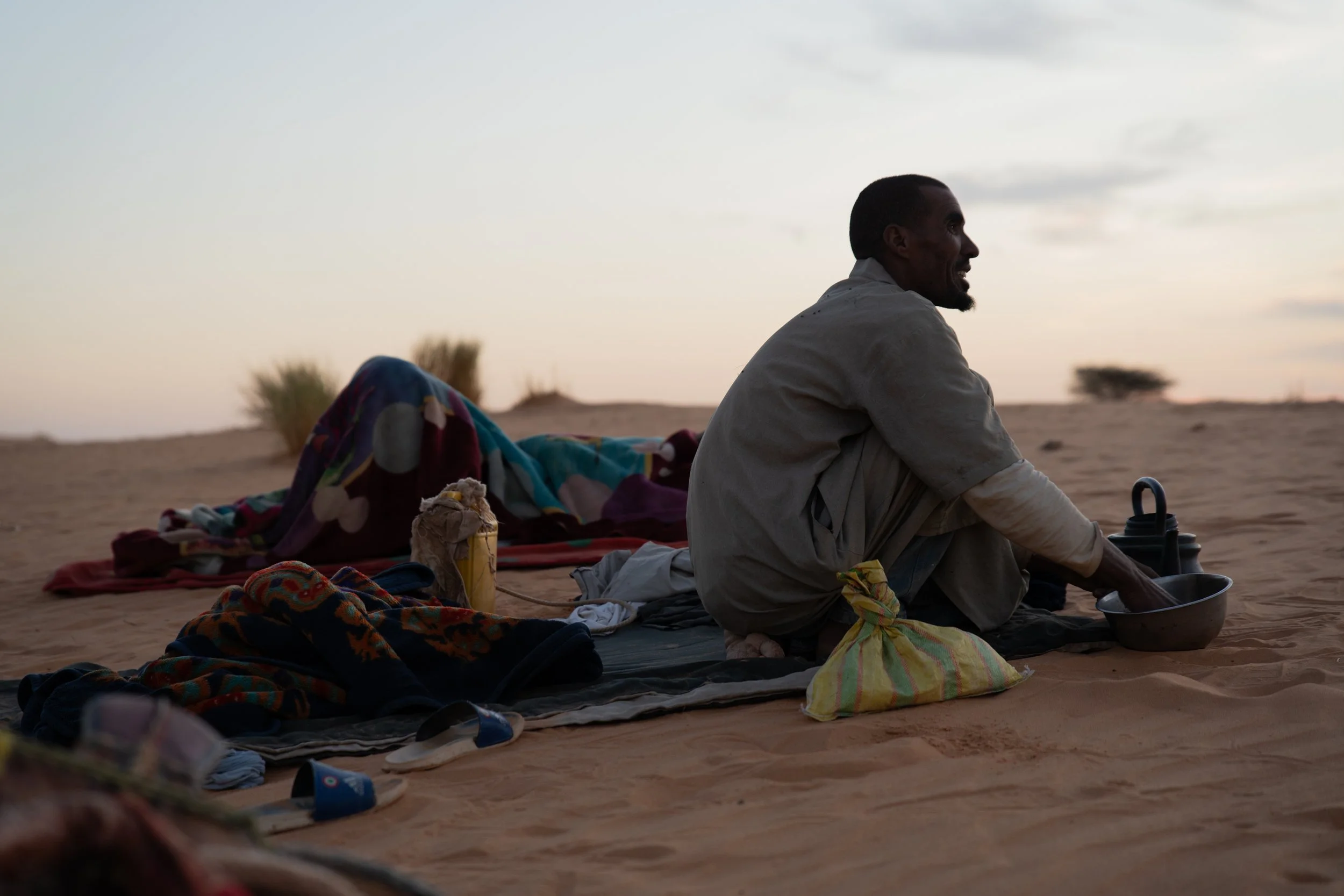
Ataya (green mint tea) is prepared in three stages
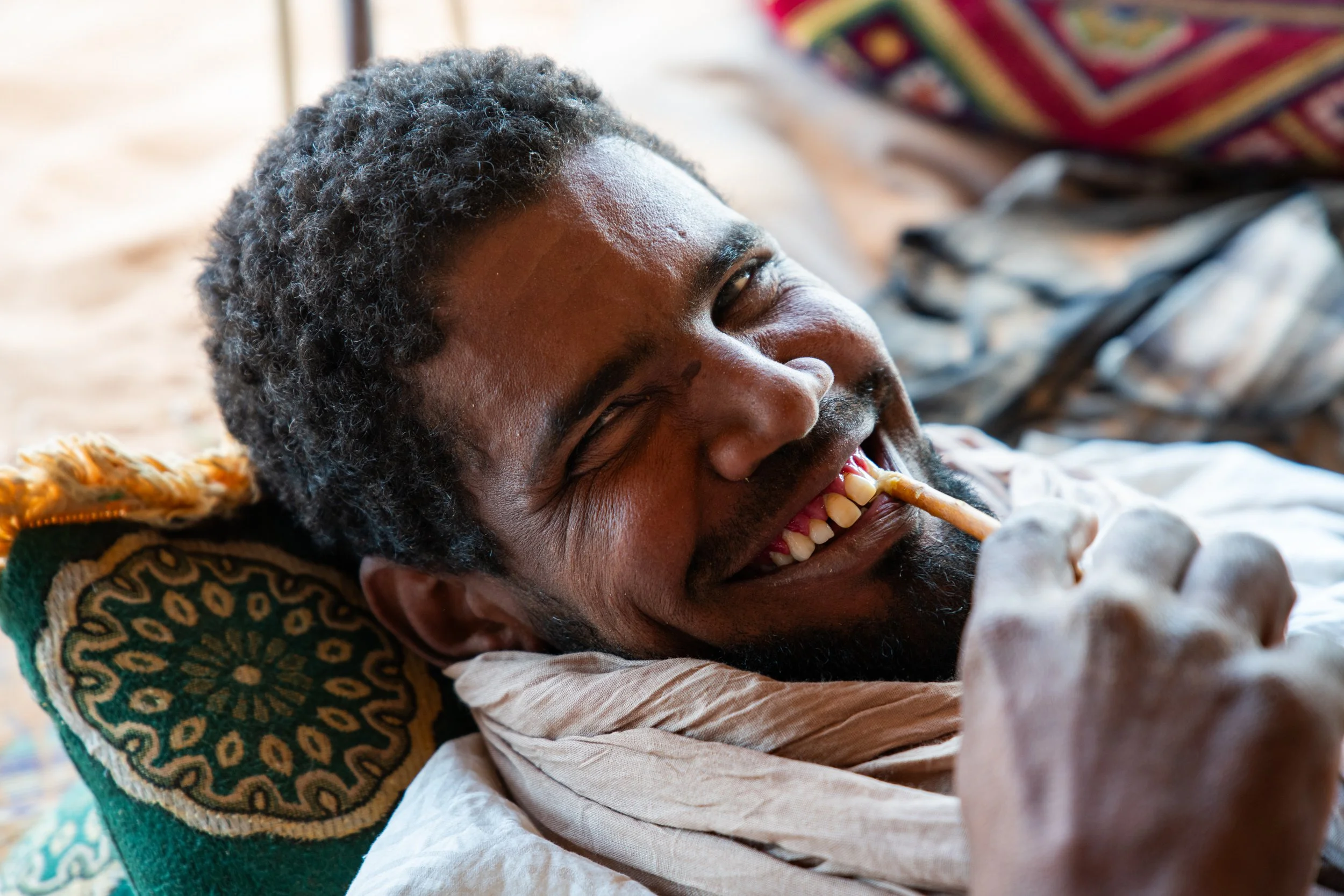
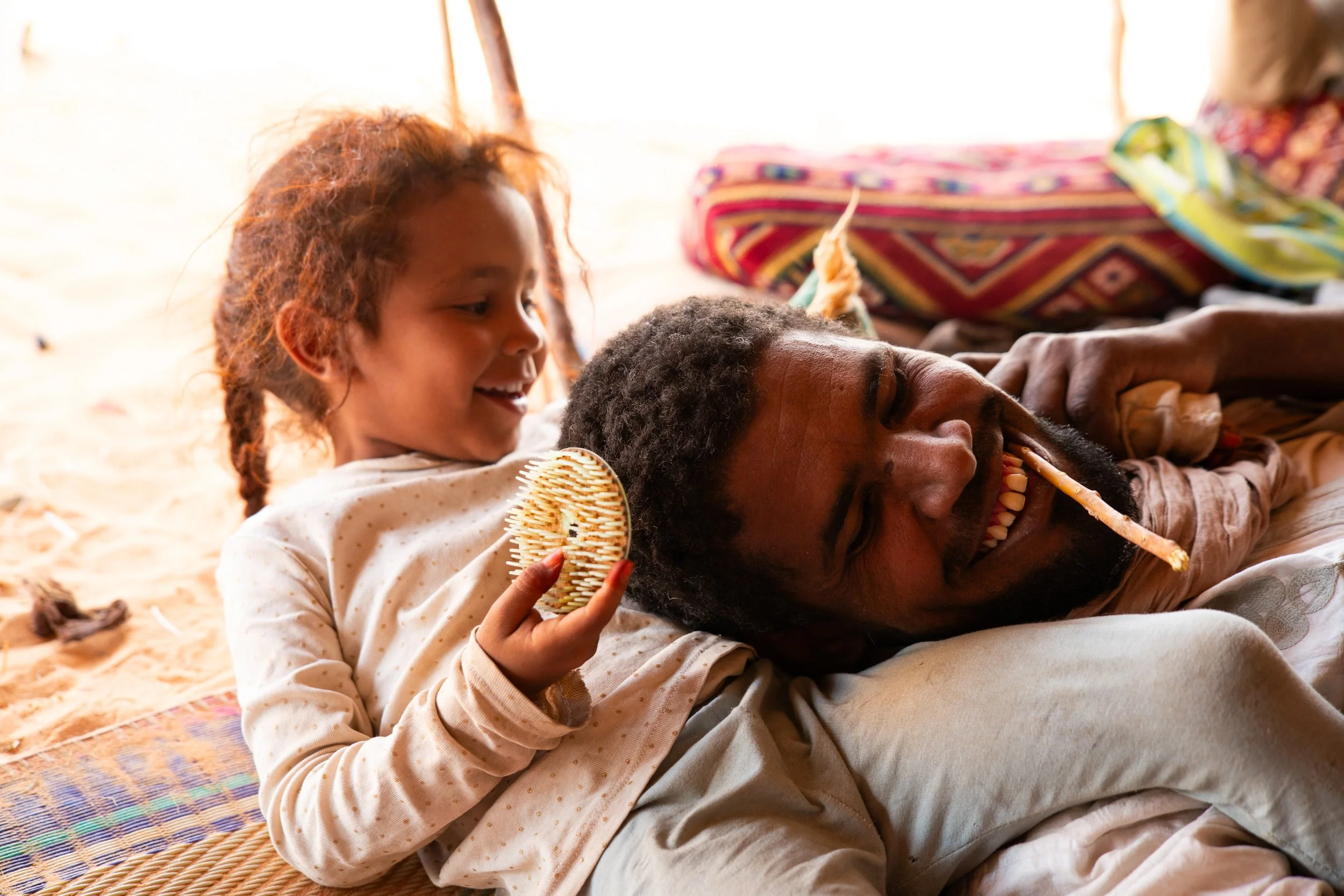
Abed, cleaning his perfect teeth with siwak/miswak made from Arak tree
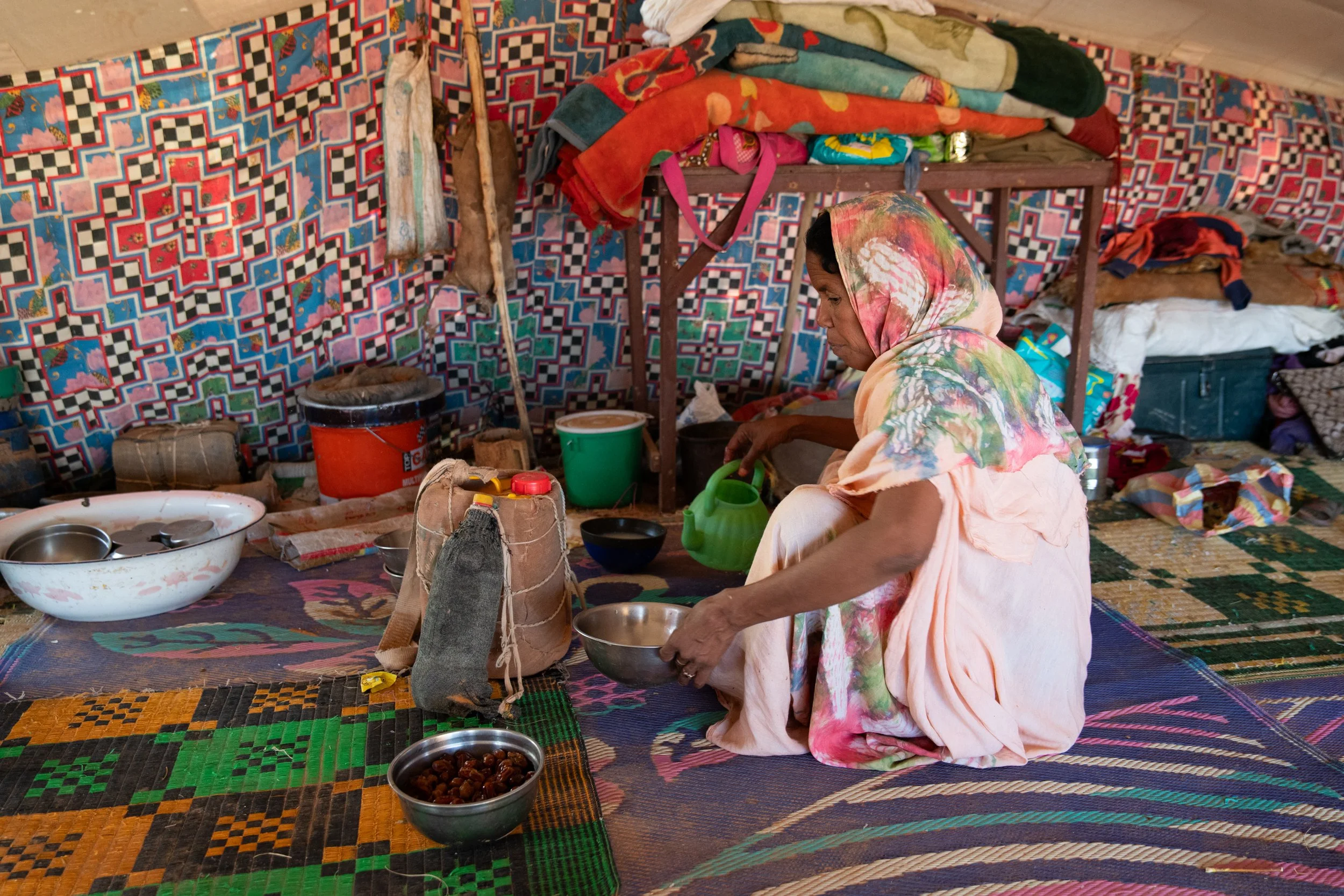
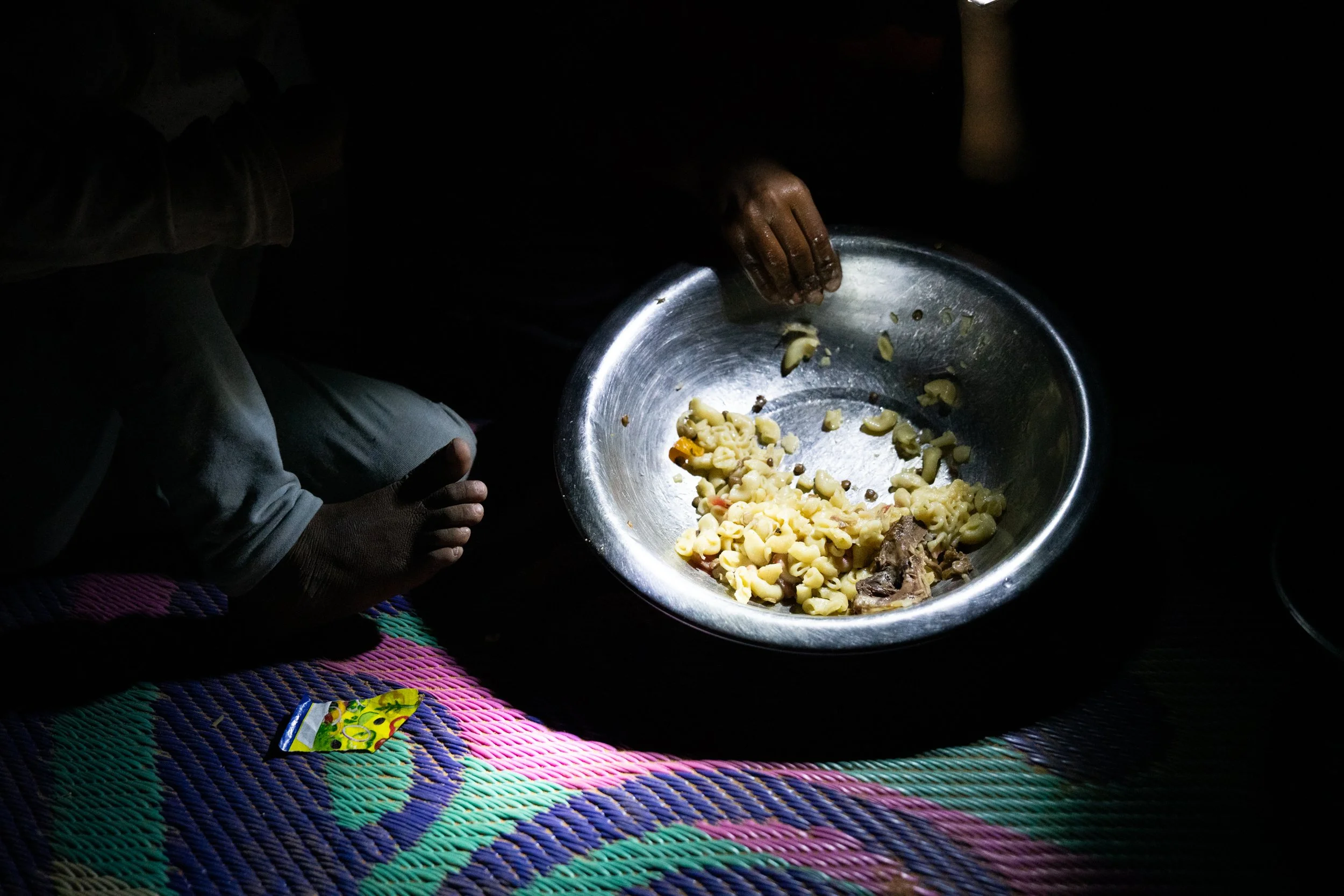
Fadda, the family matriarch is in charge of the kitchen
Among the Tuareg the women have a great freedom and respect and participate in family and tribal decisions. Descent and inheritance are both through the maternal line. Women are also central to Tuareg artistic life. They preserve poetry, oral histories, and musical traditions that have been passed down for generations.
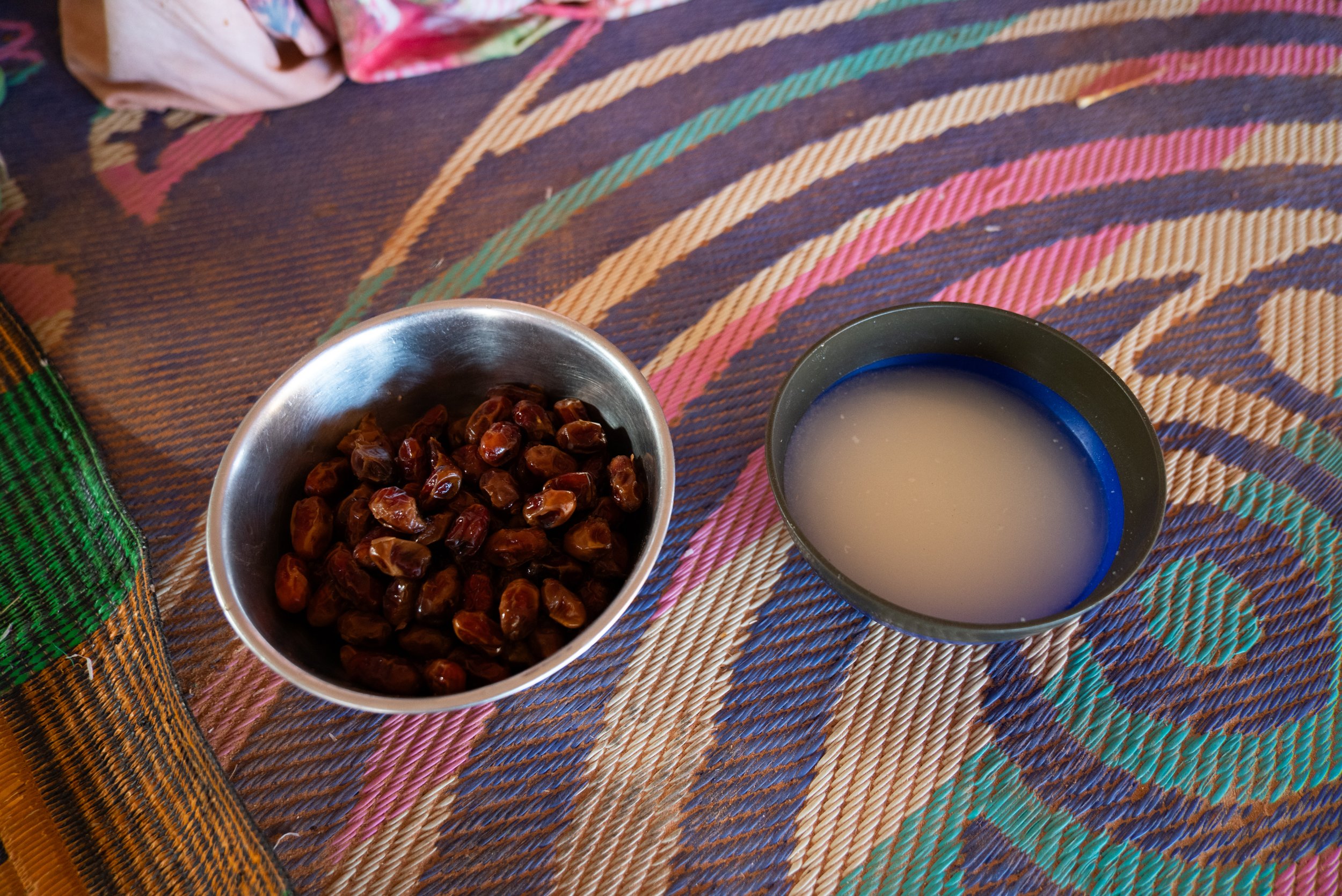
Dates and goat /camel milk
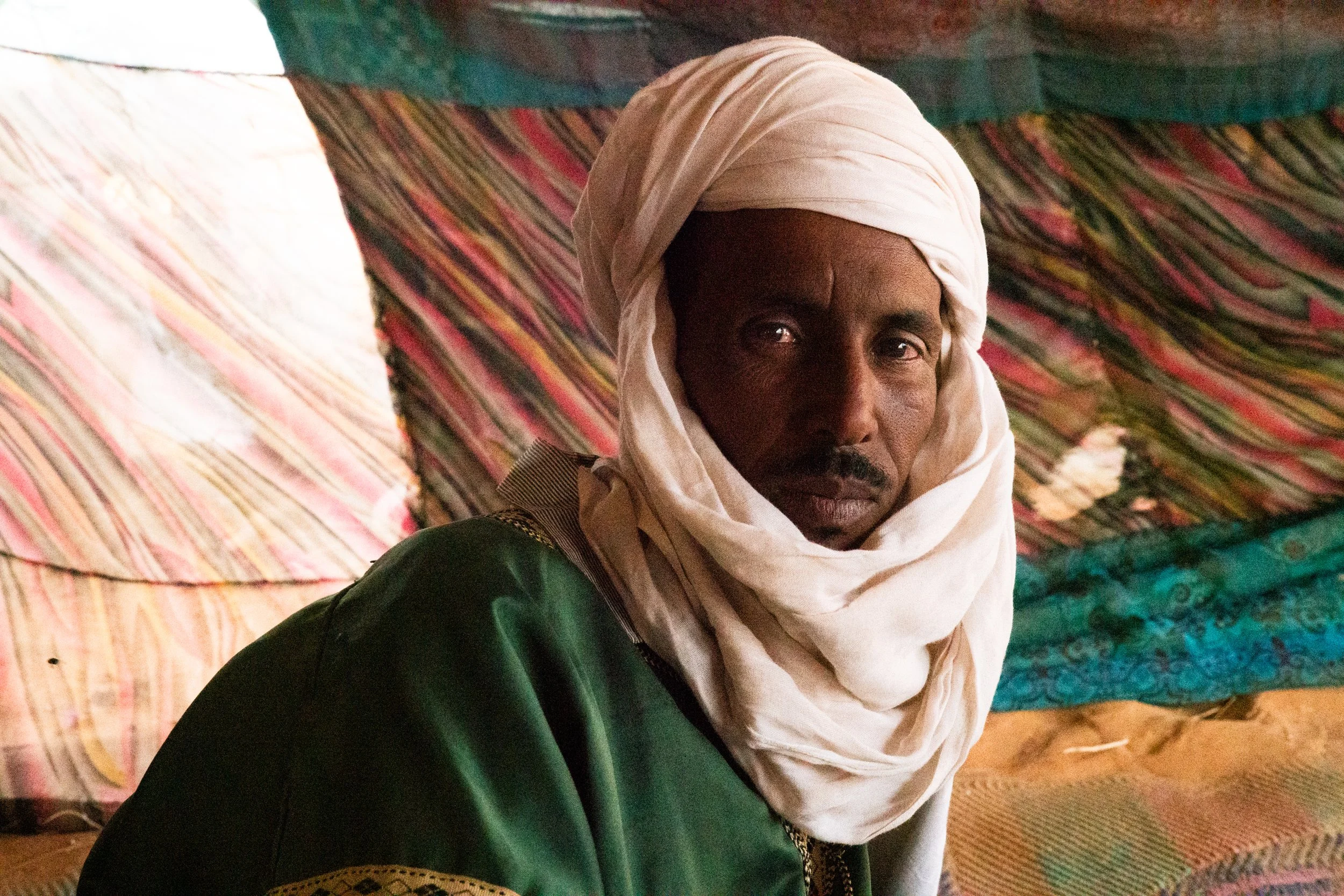
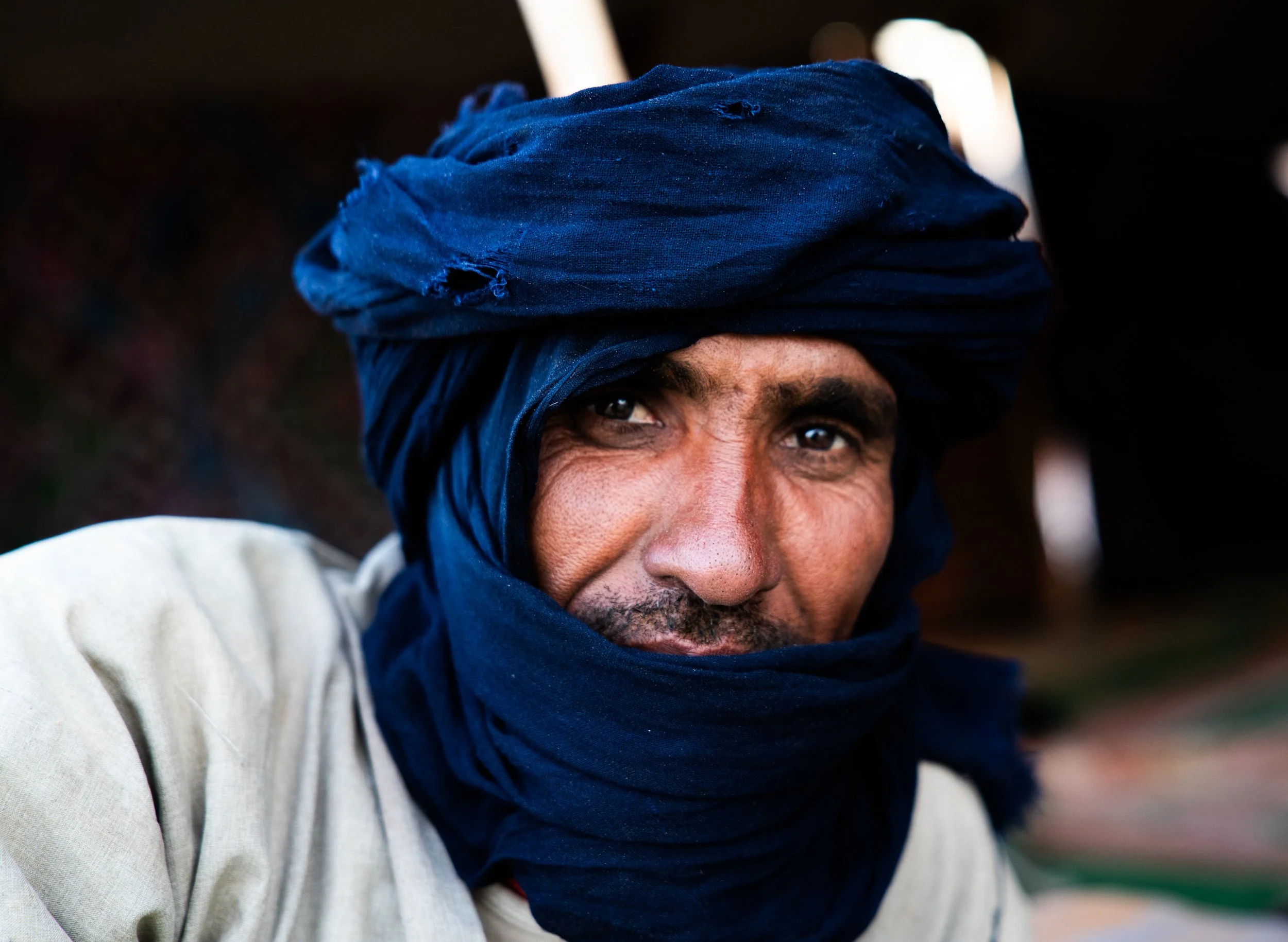
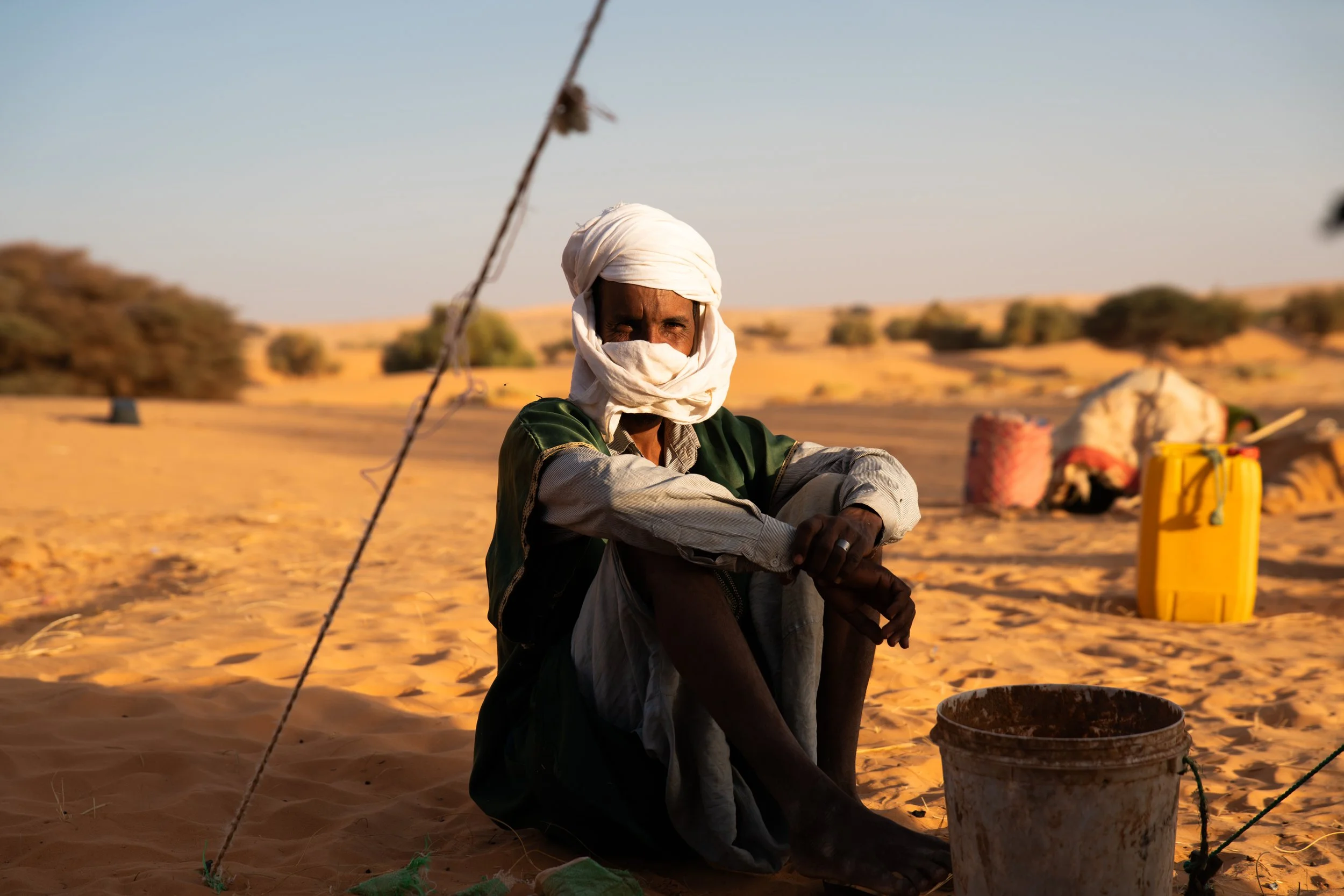
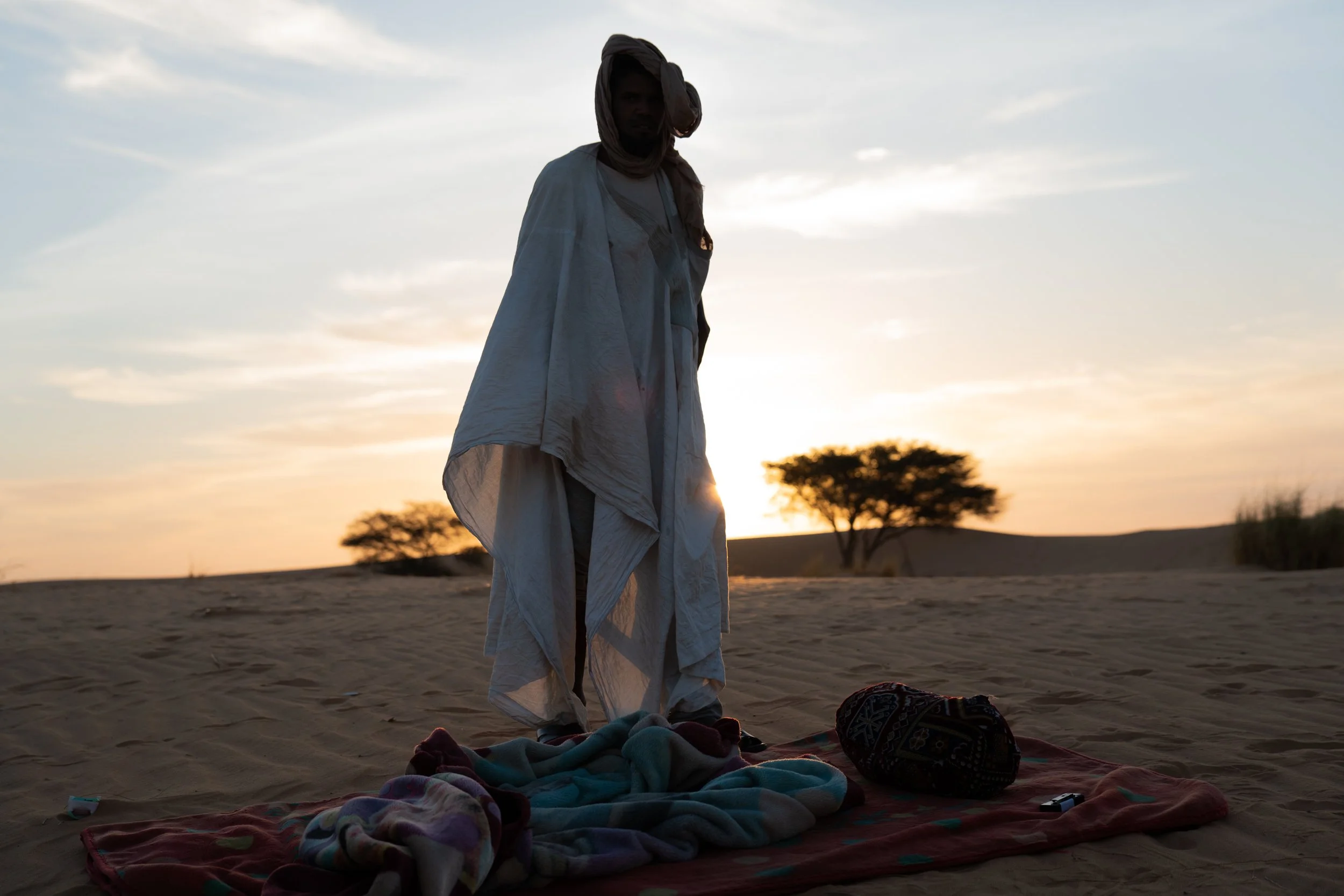
Dahi with tagelmust (The scarf is so central to Tuareg culture that they are sometimes called Kel Tagelmust, meaning "people of the veil")
Leila
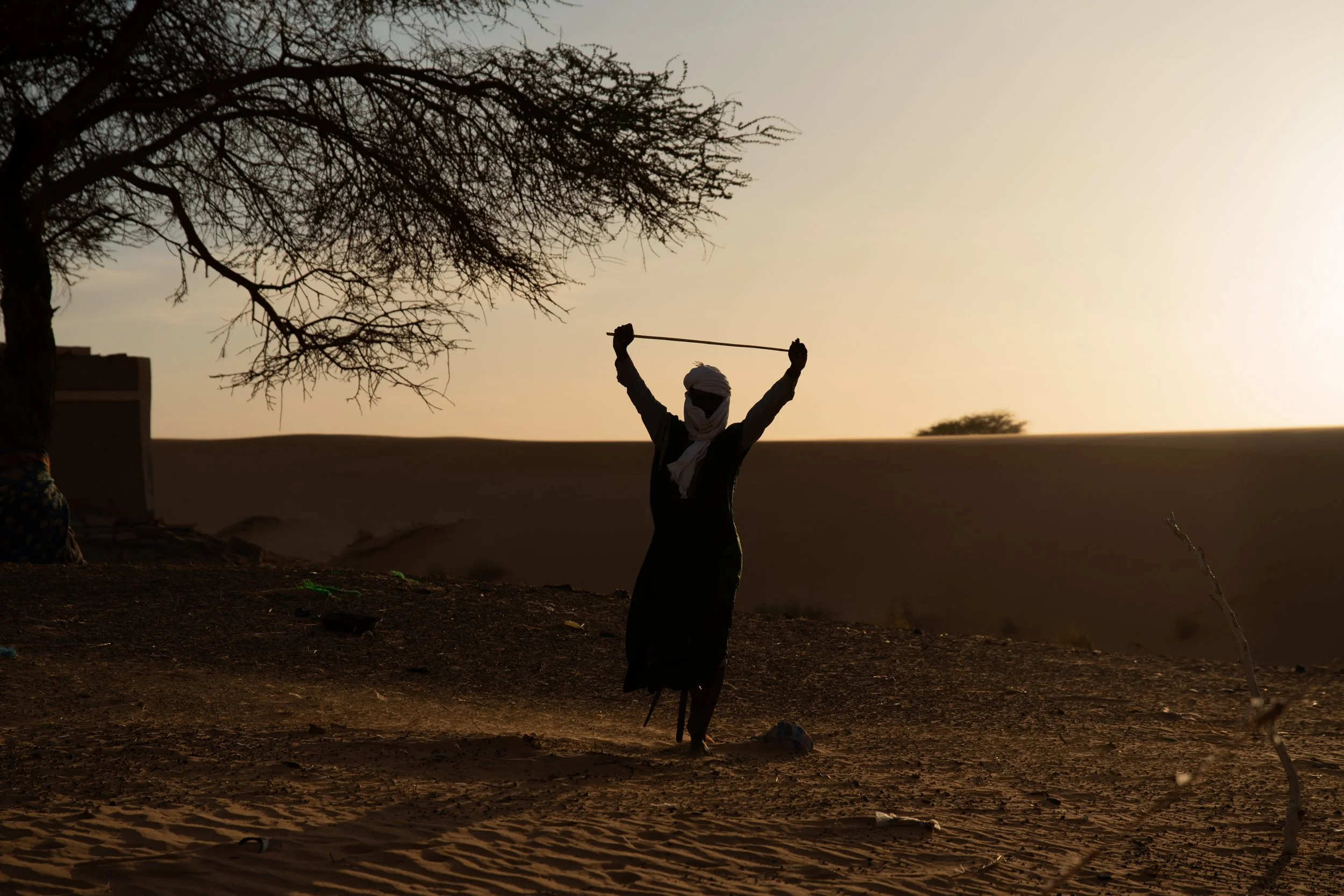
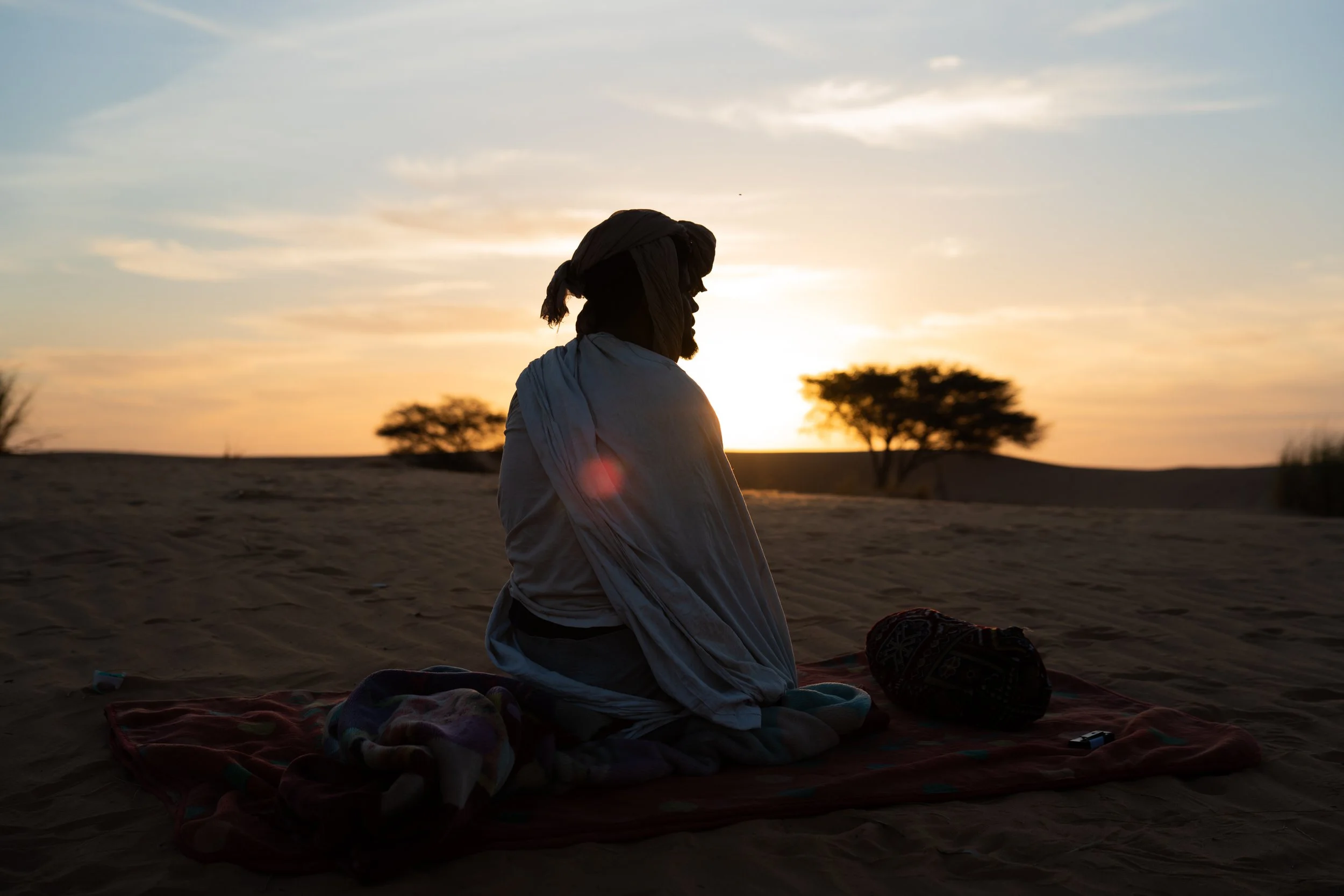
Muslims perform the morning prayer, called Fajr, during the window of time that begins at true dawn and ends precisely at sunrise.
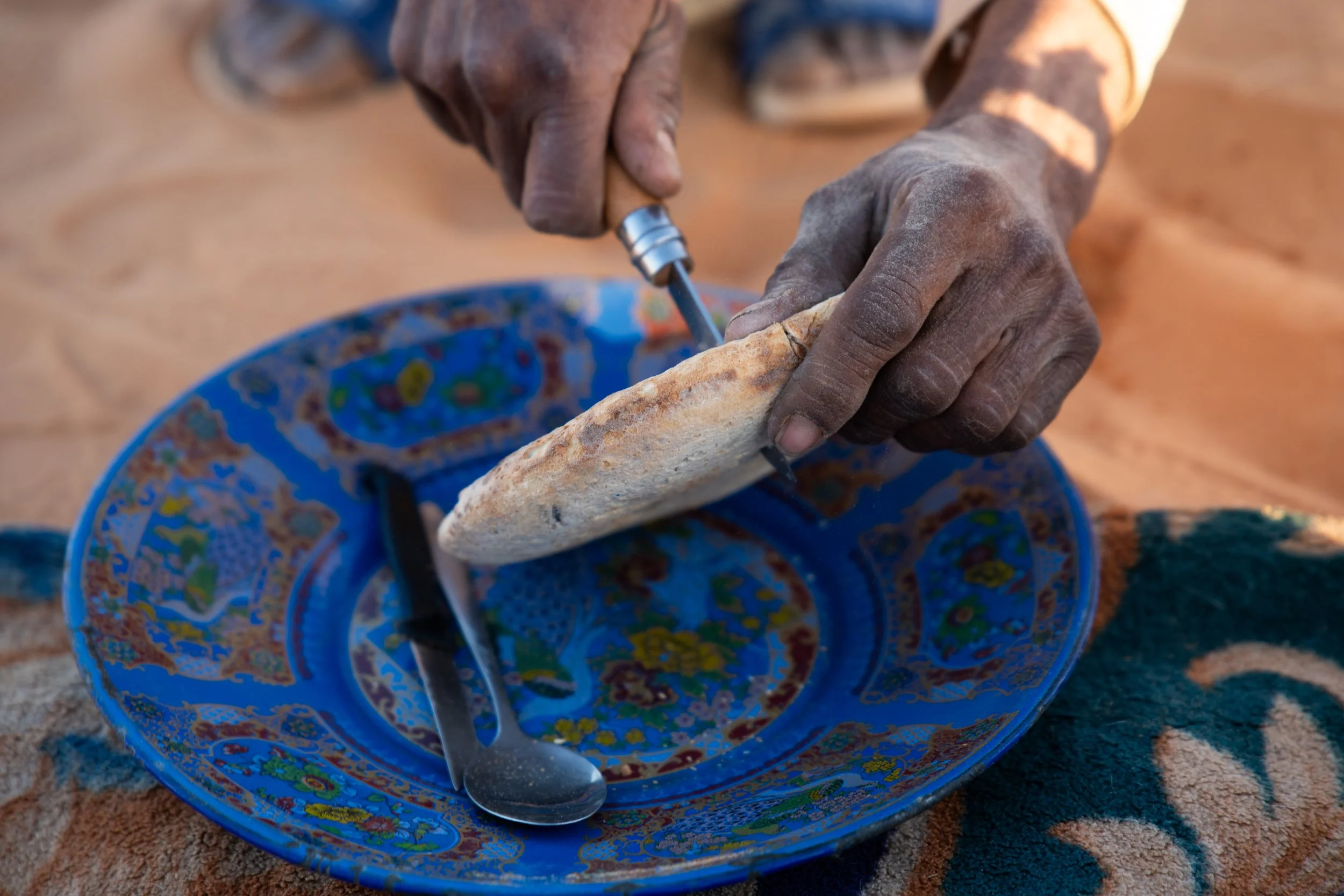
Taguella, it’s a traditional sandbaked bread made by Tuaregs throughout the Sahara region.
The process of making Taguella begins like most breads, by mixing grains (usually semolina and wheat flower) with water and salt to form a supple dough. With strong fingers, you knead the dough for as long as 20-30 minutes to develop its gluten before forming it into a wide, flat disc.
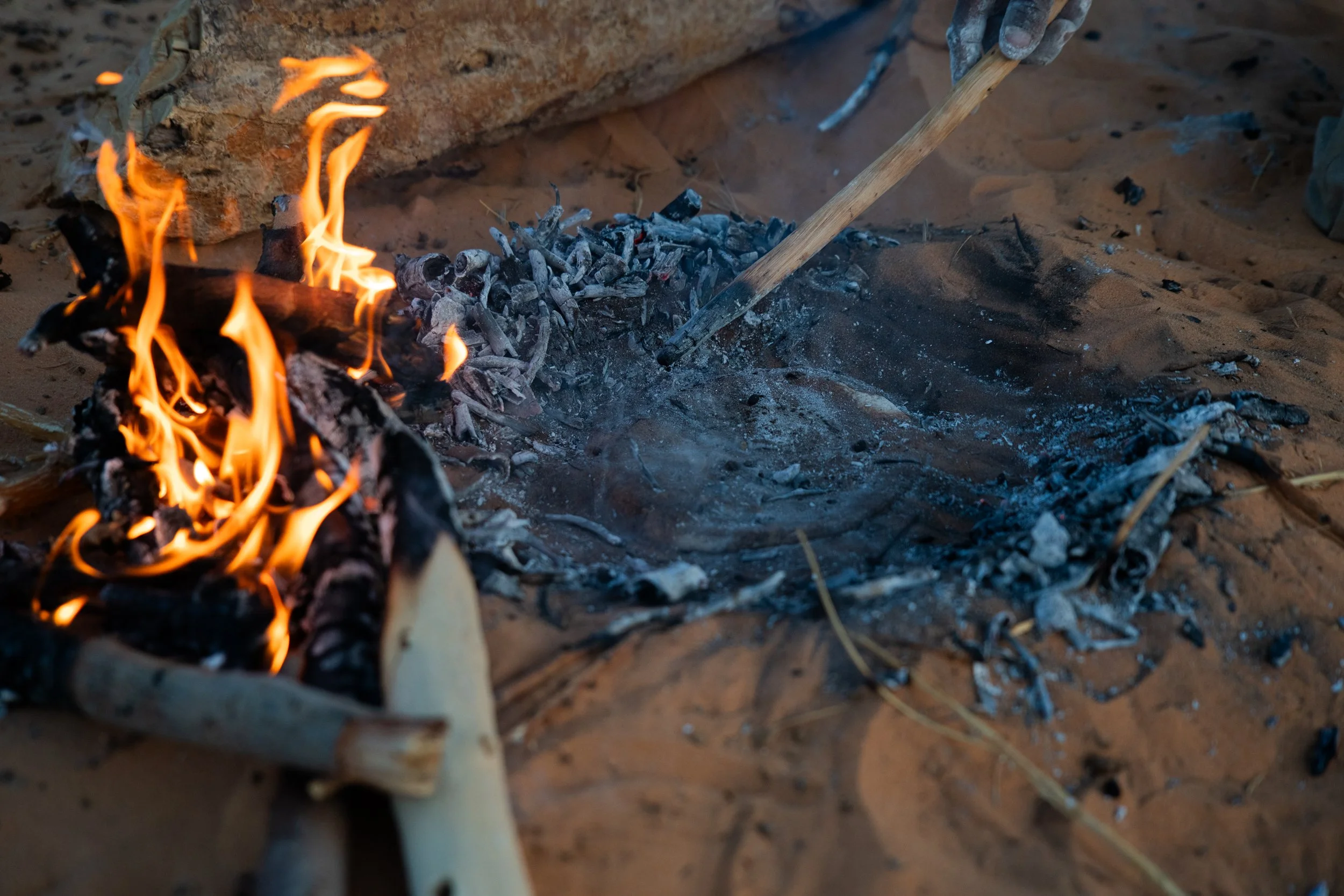
It’s vital that the fire has burnt long enough to create proper heat leaving only the strong glowing embers.
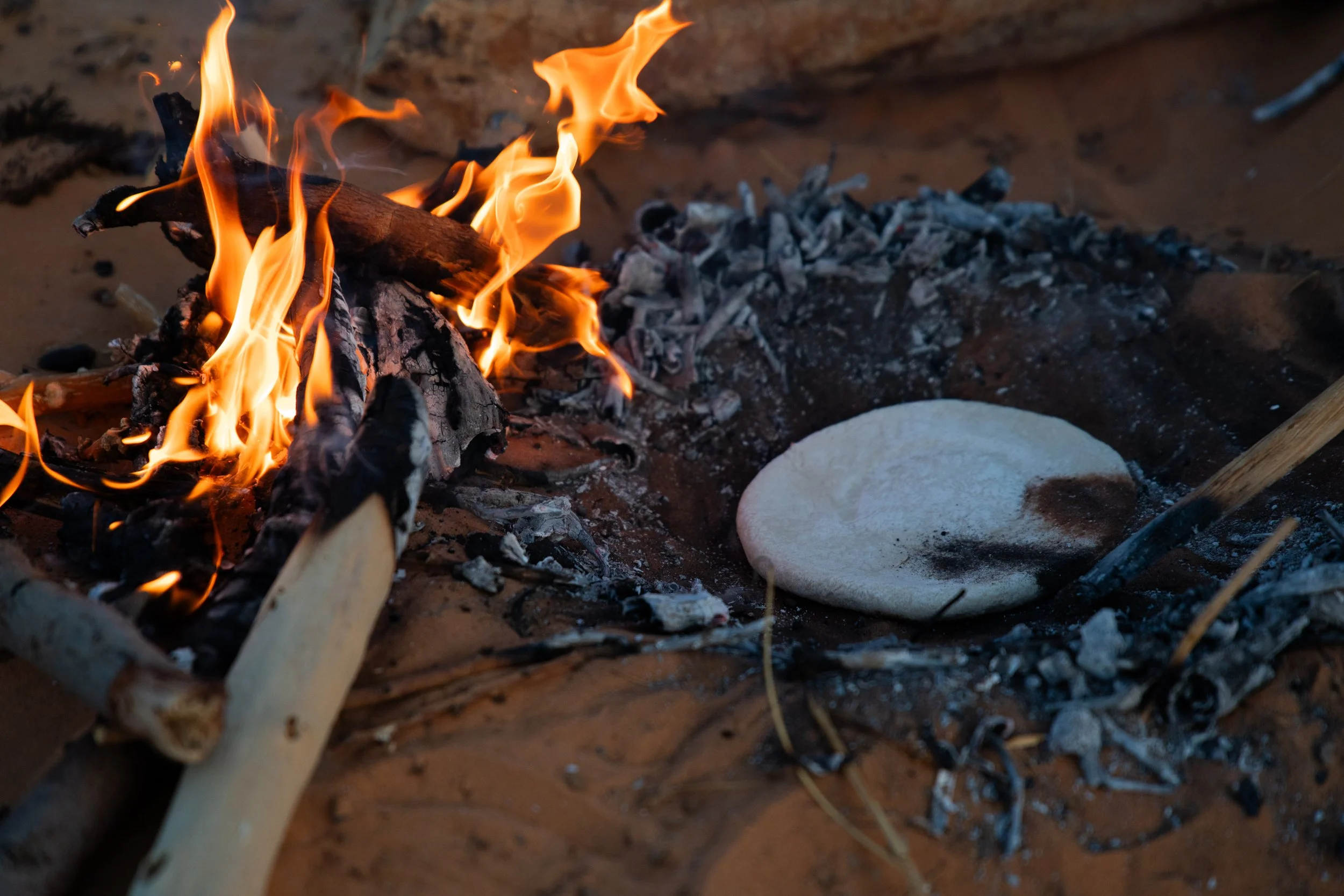
The embers are then removed and natural oven is dug in the hot sand, about 4 to 5 centimeters deep, enough to bake the bread. Then you add the hot sand and coals on top again. The dough will cook so quickly that the sand won’t have time to sink inside the dough before the crust forms.
After the initial side is baked, the bread is uncovered, flipped, and re-covered with hot ashes and the coals to cook the other side.The whole cooking time is between 25-30 min. In the end you scrape away any sand that might have stuck on the sirface with a knife.
Taguella. This isn't just bread; it's a living piece of Tuareg culture, a testament to their resilience.
It's not just food; it's a story of survival, community, and adaptation to one of the most challenging environments on Earth.
For the Tuareg, baking Taguella is more than just a cooking technique.
It's an art form that requires precision and patience. Over the centuries, they ve honed their skills, learning how to judge the perfect temperature of the sand, how to knead the dough just right, and how long to bake it for that ideal combination of crispness and softness.
This technique isn't just about survival; it's a deep connection to the land and the traditions of their ancestors.
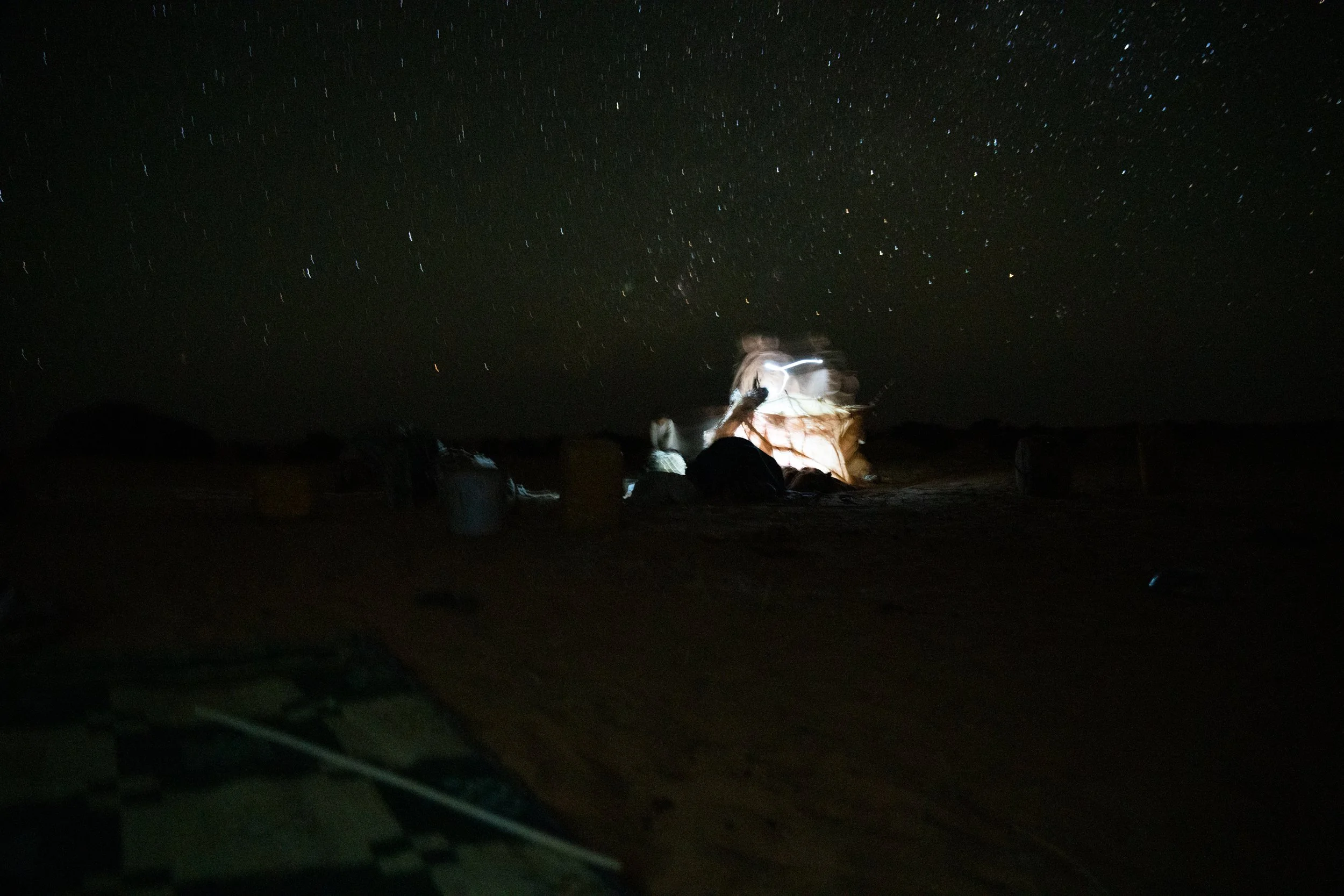
Time to leave.
Grateful for days of connection, awareness, presence, laughter and magic